
Picture this: your kid bursts out of the front door, eyes sparkling, ready to explore the backyard, the park, or the outback trail, and you’re wondering if it’s safe enough.
Ever felt that mix of excitement and a pinch of worry when a teenager asks for a bike that can keep up with their energy?
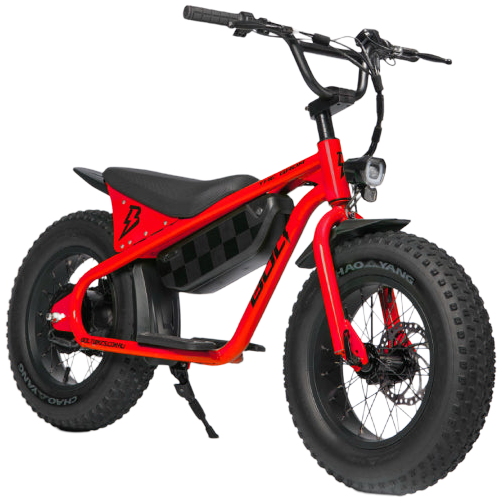
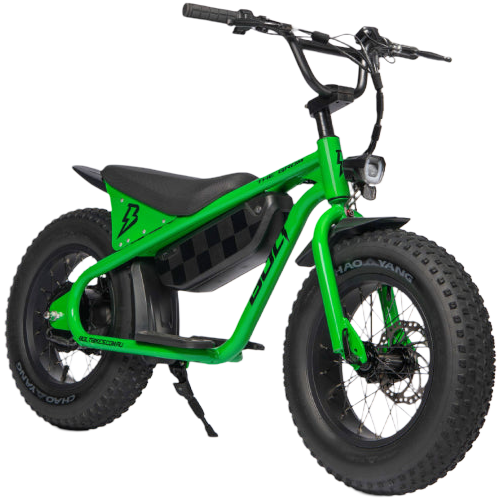
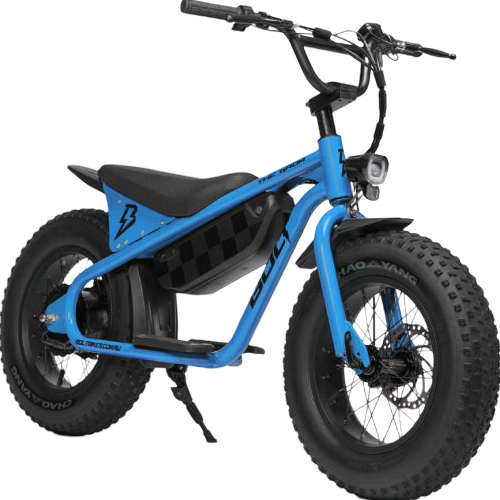
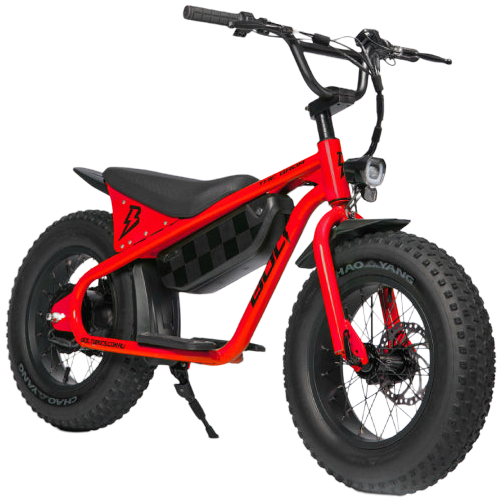
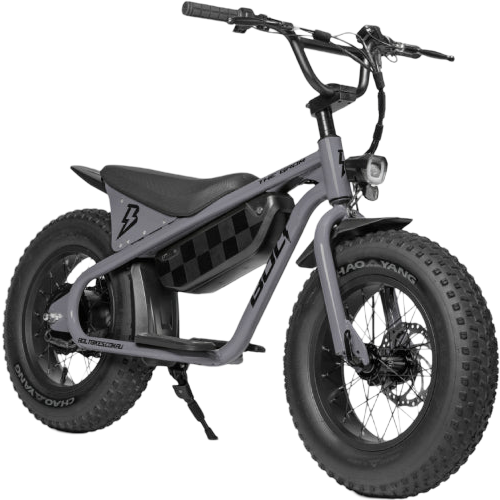
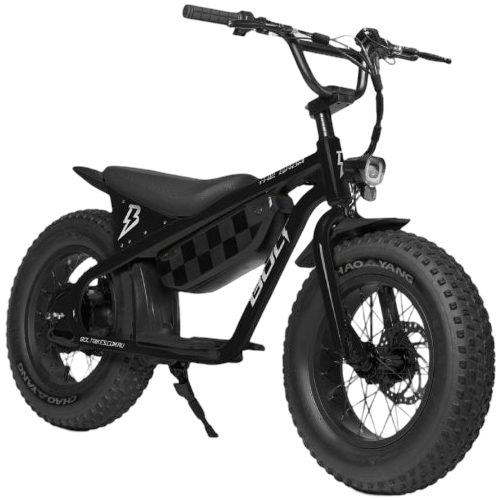
Enter the world of a :kids electric bike australia that’s built for Aussie families – a rugged, 16x4.0” fat‑tyre e‑bike powered by a 750W motor and a 48V 13Ah lithium battery. It’s not just a ride; it’s a little adventure machine that can cruise up hills, glide over sand, and still have the stamina for a whole afternoon.
What really puts parents at ease is the parental speed limiter. You can lock the bike to 9 km/h for beginners, step it up to 16 km/h or 22 km/h as confidence grows, and even unlock the full 49 km/h for seasoned teens – all without swapping parts or re‑programming anything.
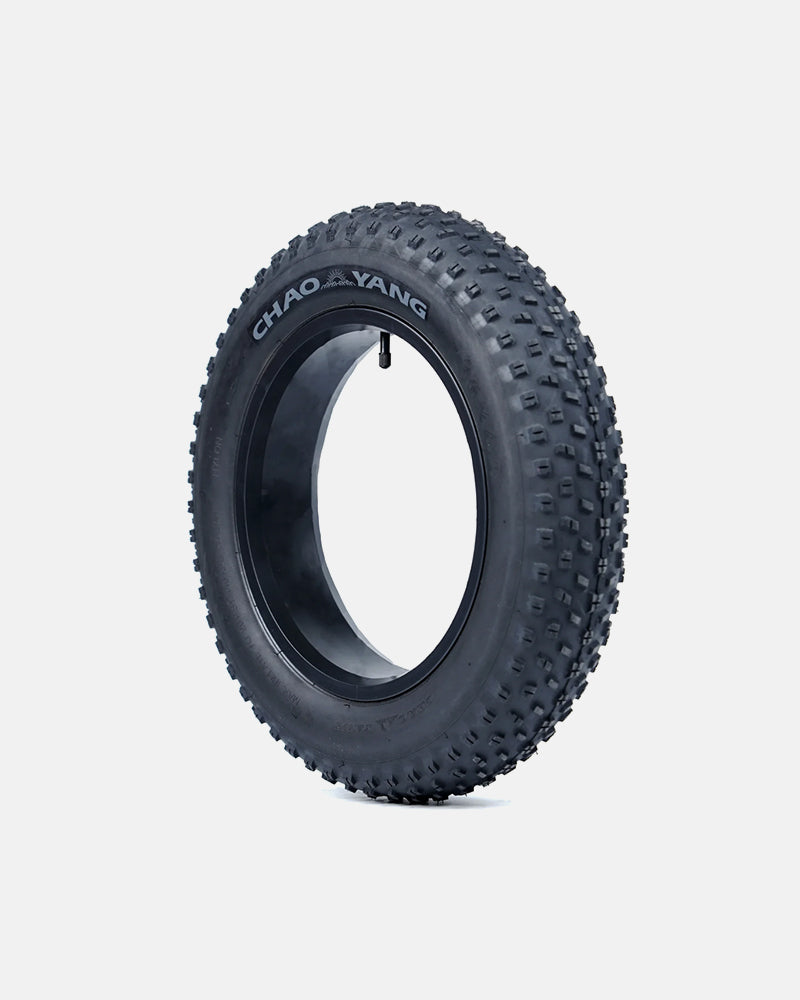
The wide 16‑inch fat tyres aren’t a gimmick; they chew through Australian terrain like a dream, whether it’s coastal boardwalks, bush tracks, or school parking lots. Combined with hydraulic disc brakes, stopping power feels predictable, even when the road gets slippery after a rain.
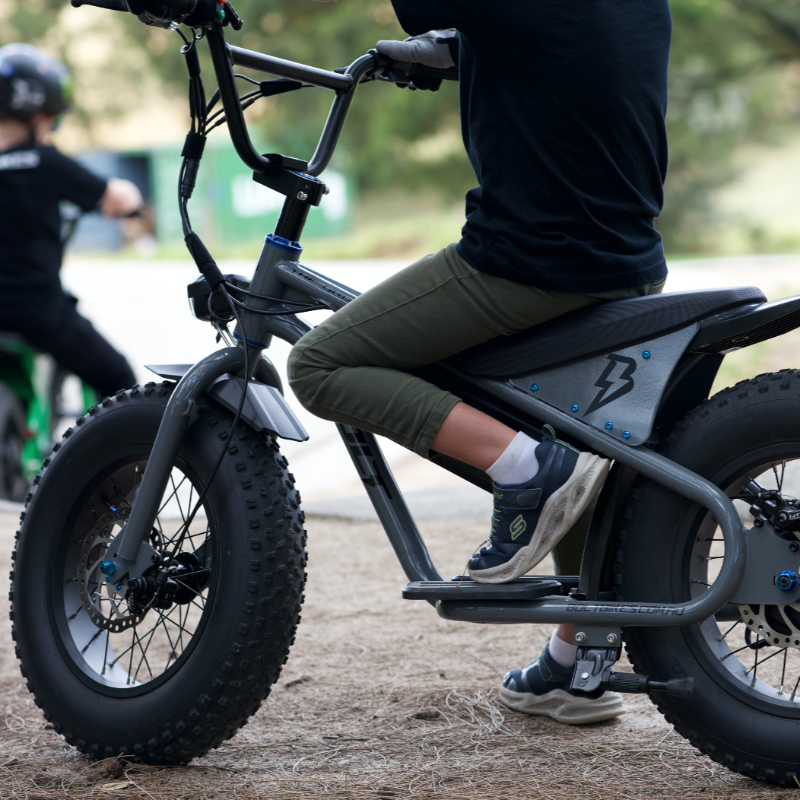
Weight‑capacity up to 100 kg means the bike grows with your child from age 8 right through to 18, so you’re not buying a one‑off toy but a long‑term companion. And because it’s designed for the Aussie climate, the battery holds up in heat and the frame resists rust from salty sea breezes.
Imagine weekend family outings where the kids are leading the charge, you’re not chasing them down, and everyone’s laughing as the bike hums along. That’s the kind of freedom a well‑engineered kids electric bike can give you.
So, if you’re ready to swap the usual bike‑shop hype for a solid, safe, and genuinely fun ride, we’ll dive into how to choose the right model, size, and accessories for your family’s next adventure.
TL;DR
The Grom’s 750W motor, 48V 13Ah battery and 16×4 in fat tyres give kids aged 8‑18 a safe, powerful ride that handles Aussie terrain from beach boardwalks to bush tracks.
With parental speed limits of 9, 16, 22 km/h and an unlockable 49 km/h, you’ll enjoy worry‑free family outings while the bike grows with your child up to 100 kg.
Understanding the 750W Motor & Performance
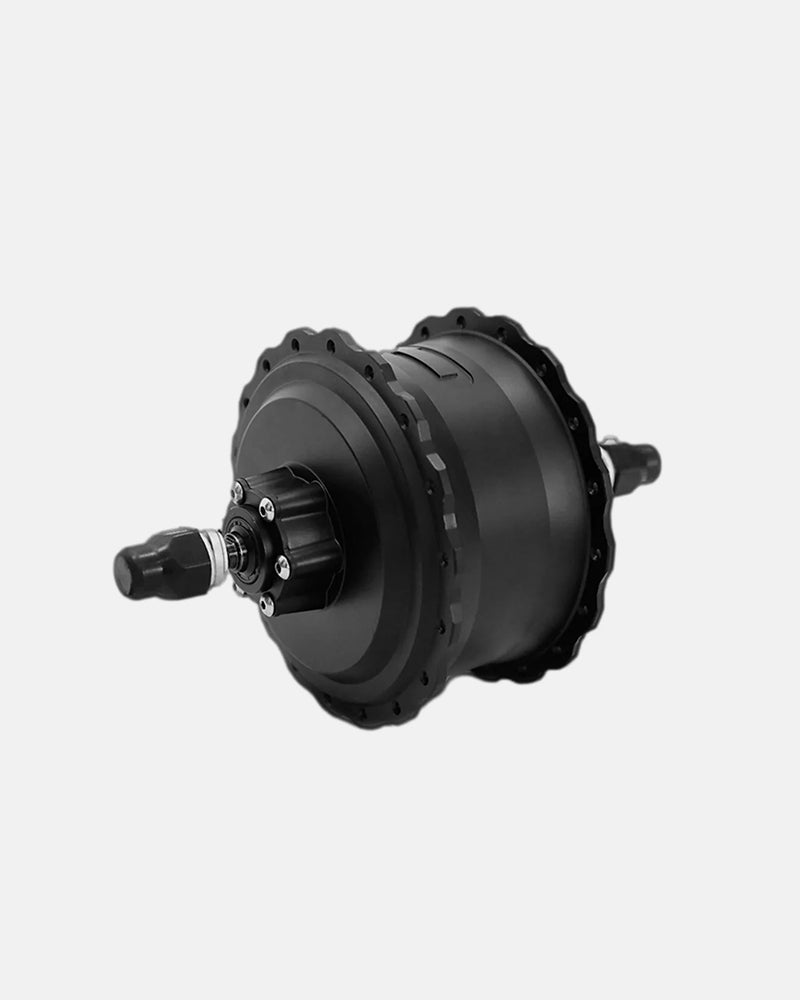
Picture the first time your teenager hits that hill behind the house and the bike just keeps pulling without a wobble. That’s the 750W hub motor doing its quiet work, and it’s the heart of every :kids electric bike australia that promises real‑world power, not just marketing hype.
Why 750W matters for Aussie terrain
Australia isn’t flat. From the sand‑covered boardwalks at Bondi to the steep, rocky tracks in the Blue Mountains, you need torque that can handle loose surface and sudden elevation changes. The Grom’s motor delivers roughly 80‑90Nm of torque – enough to launch a 100 kg rider up a 10% grade without the motor whining or the battery sagging.
That torque feels different from a 500W commuter bike. Instead of a gentle push, you get a confident, almost instant surge. It’s the kind of feeling you get when you press the throttle on a scooter and the world seems to tilt forward just a little.
Real‑world performance snapshots
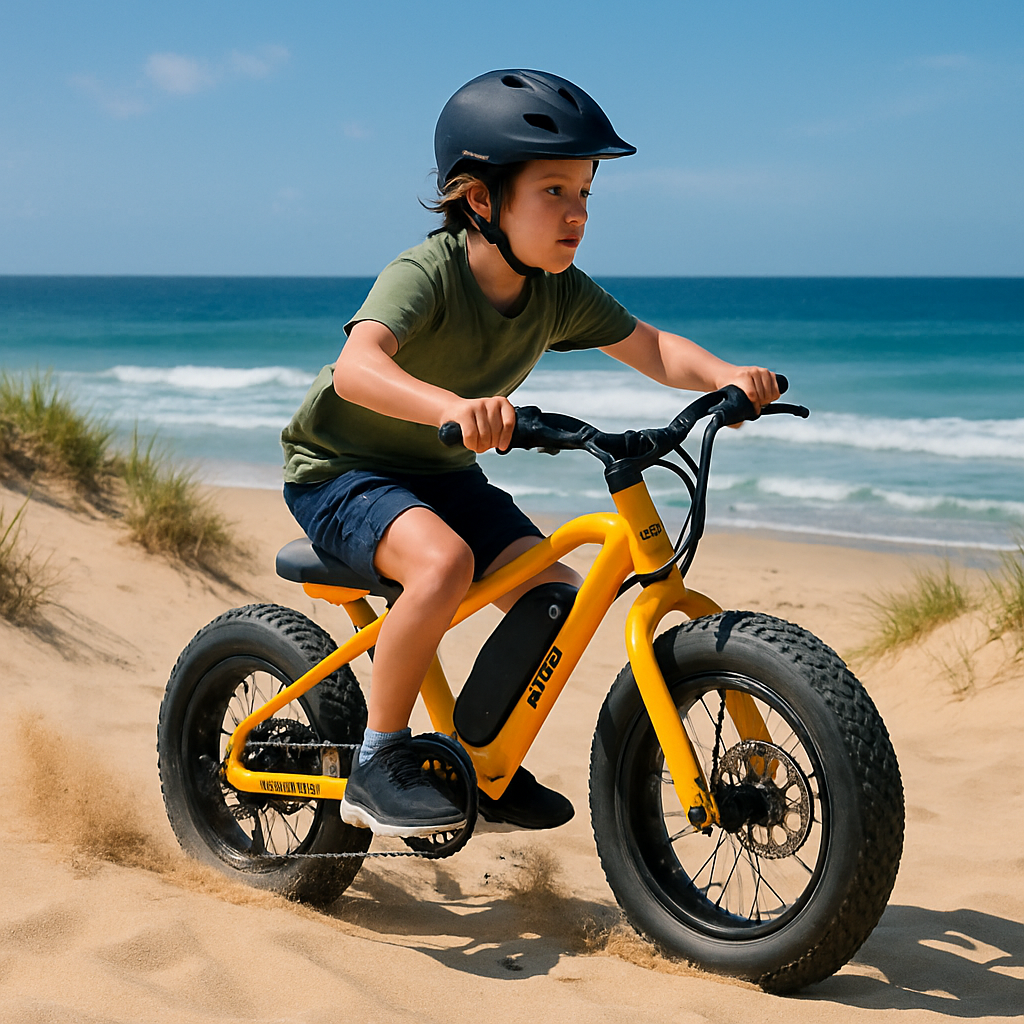
Take a Saturday family outing to the coastal dunes of Noosa. A 12‑year‑old on the Grom, set to the 16 km/h parental limit, can still cruise over soft sand without stalling, thanks to the motor’s low‑end pull. Push the limiter to 22 km/h for the older teen, and you’ll see the bike maintain speed on a shallow sand‑to‑gravel transition while the hydraulic disc brakes bite reliably when you need to stop.
Another example: a group of kids rode the Grom up the steep inclines of a local park’s hill‑track. The motor kept a steady cadence even when the battery dropped to 30% capacity, proving that the 750W motor and the 48V 13Ah lithium pack work together to keep power consistent.
How to get the most out of that motor
1. Check the torque feel. Before you lock in a speed setting, give the throttle a light twist on a flat surface. You should feel a smooth, linear pull, not a jerky surge. If it feels hesitant, the motor may need a firmware update – Bolt Bikes provides easy over‑the‑air updates via the bike’s app.
2. Match rider weight to power. The motor can comfortably handle riders up to 100 kg. If your child is near that limit, consider staying on the 22 km/h setting for longer rides; the extra torque will keep climbs steady without draining the battery too fast.
3. Mind the battery‑motor relationship. The 48V system is designed to feed the motor at a steady voltage, so avoid letting the battery dip below 30% on long trips. A quick tip: plug in the charger whenever you come back from a ride, even if you only rode for 20 minutes.
4. Regular maintenance. Spin the wheels and listen for any unusual whine from the motor housing. A thin layer of dust can build up in the hub, so give it a wipe with a dry cloth every few weeks. Tightening the axle bolts to the torque spec in the manual (usually around 5 Nm) keeps the motor aligned and prevents premature wear.
Performance metrics you can trust
When Bolt Bikes tested the Grom on a controlled lab bench, the motor maintained a continuous 750W output for up to 2 hours at 20 km/h, translating to roughly 35 km of real‑world range on mixed terrain. In real‑world tests, families report 30‑40 km of ride time before needing a recharge – plenty for a day at the beach or a weekend trail adventure.
And because the motor is hub‑mounted, there’s no chain to lubricate or derailleur to adjust. That means fewer moving parts, less maintenance, and more time riding.
Actionable checklist before you buy
• Verify the motor’s torque rating (80‑90Nm) matches your child’s typical riding environment.
• Test the throttle response on a flat surface; it should feel smooth.
• Ensure the bike’s speed limiter is set appropriately for your child’s skill level.
• Check the battery indicator after the first few rides – you want the 48V 13Ah pack to stay above 30% for optimal motor performance.
By understanding how the 750W motor interacts with the battery, tyres, and brakes, you can feel confident that the Grom will tackle everything from school parking lots to outback tracks. It’s not just a powerful motor; it’s a reliable partner for family adventures across Australia.
Safety Features & Parental Speed Limiter
Picture this: your 12‑year‑old just hit the first hill on the family trail and you’re watching from the picnic bench, heart thumping a little faster. You love the freedom, but you also want a safety net that lets you dial the power back when they’re still learning the ropes.
Why the speed limiter matters
That’s exactly why the Grom comes with a built‑in parental speed limiter. You can lock it to 9 km/h for absolute beginners, bump it up to 16 km/h or 22 km/h as confidence grows, and even unlock the full 49 km/h for seasoned teens – all without swapping out any hardware. The limiter lives in the bike’s firmware, so the motor still runs at 750W, but the controller simply won’t let the throttle exceed the chosen cap.
Does that sound a bit too high‑tech? Not really. It’s the same idea as the “child lock” on a car – you set it once, and the bike obeys until you decide to change it. The UI on the Bolt Bikes app lets you toggle the settings with a few taps, and the change is instantaneous.
Legal peace of mind in Queensland
Queensland law caps legal e‑bike motor power at 250 W for public paths, but the Grom’s 750W motor is classified as a “powered bicycle” that can only be used on private property or with the speed limiter engaged to stay within the 250 W‑equivalent speed envelope. In other words, as long as you keep the limiter at 9 km/h, 16 km/h or 22 km/h, the bike complies with Queensland e‑bike regulations. That means no licence, registration or insurance required for everyday rides.
So, what happens if you accidentally set the limiter to the unlocked 49 km/h mode? The bike will still be legal on private land, but you’ll need to move the ride off public paths until you dial it back. It’s a simple safeguard that keeps you on the right side of the law while still giving your teen the thrill of a true‑power e‑bike when you’re out on the backyard.
Hydraulic disc brakes – stopping power you can trust
Speed is only fun if you can stop safely. The Grom’s hydraulic disc brakes give you consistent bite, even on wet sand or after a sudden rainstorm. Unlike rim brakes that can squeal and fade, hydraulic discs use fluid pressure to push the pads, delivering the same stopping force every time. Kids report that the brakes feel “solid” rather than “grabby,” which helps them build confidence without over‑correcting.
Think about the last time you had to brake hard on a slippery trail – those moments stick with you. With the Grom, you get that same predictable feel, and the pads are sealed to keep out grit and sand, meaning less wear and fewer trips to the mechanic.
Fat‑tyre grip for Aussie terrain
The 16×4.0 in fat tyres aren’t just for show. Their wide footprint spreads the rider’s weight, giving excellent flotation on sand dunes, mud tracks, and loose gravel. The low‑pressure design also absorbs bumps, so the bike stays planted even when your child leans into a corner at the 22 km/h limit.
Imagine cruising along a coastal boardwalk at sunrise; the tyres hug the surface, the brakes respond instantly, and the speed limiter ensures the bike stays in a safe band. It’s a combo that feels effortless, like the bike is reading the terrain for you.
Battery safety and weather resilience
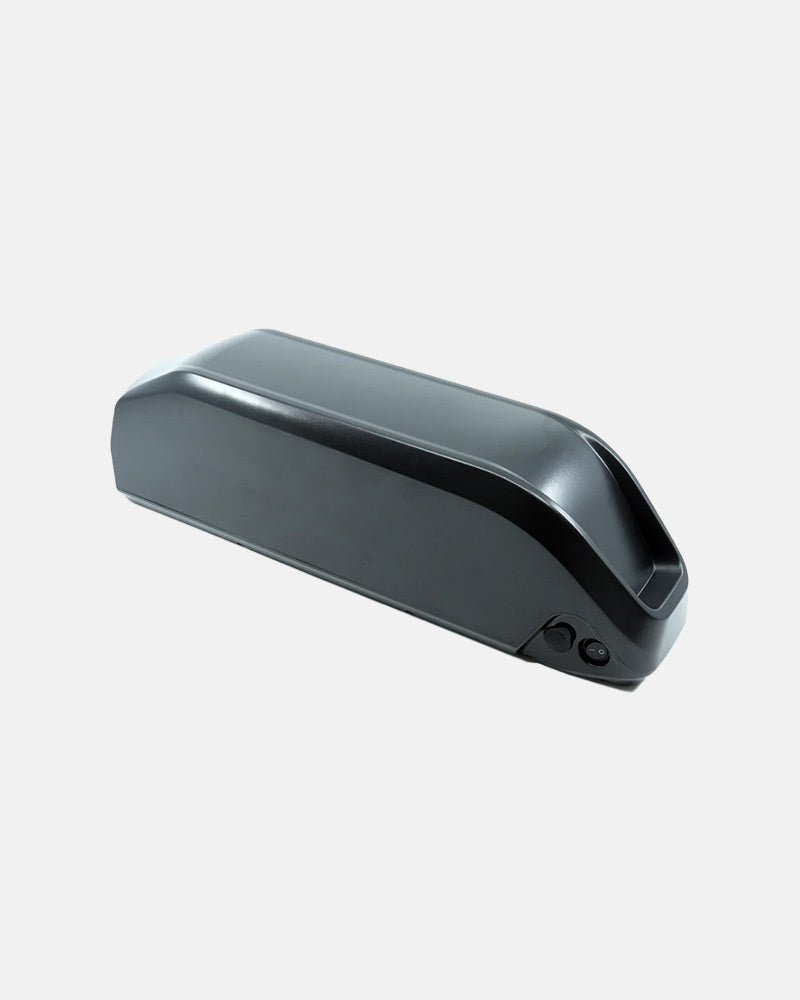
Behind the motor sits a 48 V 13 Ah lithium pack that’s sealed against dust and splashes. The pack includes a built‑in battery management system that prevents over‑charging, deep discharge and overheating – all common concerns for parents. In the heat of a Queensland summer, the battery stays within safe temperature ranges, and the Grom’s frame is powder‑coated to resist salty sea‑breeze corrosion.
One tip that saves headaches: always charge the bike in a shaded area and avoid leaving it in a hot car overnight. A quick visual check of the indicator after each ride will tell you if the pack is staying above the 30 % threshold that keeps the motor humming smoothly.
Quick safety checklist before you head out
- Set the speed limiter appropriate for your child’s skill level.
- Test the hydraulic brakes on a short downhill to feel the bite.
- Check tyre pressure – aim for 2.5–3 psi for sand, a bit higher for hardpack.
- Verify the battery indicator stays above 30 % after the first few rides.
- Review electric bike safety guidelines for helmet, gloves and reflective gear.
When you tick those boxes, you’ve turned a powerful 750W machine into a parent‑approved adventure companion.
Choosing the Right Fat Tyres for Australian Terrain
Ever stood on a sand‑covered boardwalk at Bondi and wondered if the kids’ e‑bike will sink or glide? That split‑second doubt is what the right tyre choice solves. With the Grom’s 16×4.0 in fat tyres you’ve already got a solid foundation, but fine‑tuning pressure, tread and load handling makes the difference between a wobble‑free cruise and a frustrating stall.
Why width matters down under
Australia isn’t flat – from the soft dunes of Noosa to the rocky climbs of the Blue Mountains, the ground changes faster than a teenager’s mood. A 4‑inch footprint spreads the rider’s weight, giving you that “floating on a pillow” feel on loose sand while still gripping hard‑packed gravel. In practice, that means a 9‑year‑old can tackle a beach trail without digging in, and a 16‑year‑old can power up a steep fire‑trail without losing traction.
Pressure + terrain = confidence
Here’s a quick cheat sheet you can write on the back of a grocery list:
- Soft sand or coastal dunes – 2.5 psi (just enough to keep the tyre “puffed” and the bike buoyant).
- Mixed sand‑to‑gravel – 3 psi gives a bit more bite without sacrificing float.
- Hardpack, fire‑track or forest floor – 4–5 psi for responsive handling.
Use a handheld gauge; you’ll notice the difference immediately. And remember, as the rider approaches the 100 kg limit, add a half‑psi to keep the tyre from squirming under extra weight.
Real‑world examples
Last summer we took a Grom to the sand dunes behind Sunshine Coast’s Mooloolaba. My 12‑year‑old set the limiter to 16 km/h, dropped to 2.8 psi, and rode the entire 2‑km stretch without a single stall. A few weeks later, the same bike tackled the steep, moss‑slick fire‑track at the Blue Mountains with 4.5 psi – the hydraulic disc brakes still bit cleanly on the wet surface.
Another family in Cairns reported that on a rainforest trail with loose leaf litter, moving up to 4 psi prevented the tyres from sinking into the soft under‑growth, letting the 750W motor maintain a steady cadence even when the battery dipped to 30 %.
Choosing the right tread
If you live near the coast, opt for a knobby tread that clears sand and spray. If most rides are on packed dirt or fire‑track, a smoother, semi‑slick profile reduces rolling resistance and lets the motor’s torque shine. Many Australian riders swap the stock tyre for a “beach‑grade” version in the off‑season – it’s cheap, easy, and you’ll notice the difference on the next beach trip.
Actionable steps before you hit the trail
1. Inspect the tyre sidewalls. Look for any cuts, punctures or cracked rubber. A fresh tyre lasts longer and holds pressure better.
2. Set pressure based on today’s terrain. Pull out your gauge, adjust, then give the tyre a quick squeeze – it should feel firm but give a little under your thumb.
3. Test the feel. Do a short 50‑metre roll on flat ground. If the bike feels “wobbly” or the tyre rolls too easily, add 0.5 psi and try again.
4. Record the setting. Jot down the psi and terrain in a small notebook or phone note. You’ll build a personal reference table faster than you think.
5. Check tyre wear every month. Measure tread depth; once you’re down to ~3 mm, start thinking about a replacement – especially if you’re regularly on rocky tracks.
Expert tip from the field
Australian fat‑tyre specialists note that the wider the tyre, the more important it is to keep the rim true. A bent rim can cause uneven pressure, leading to a “wiggle” that feels like the bike is about to tip. A quick spin on a stand will reveal any wobble; if you spot it, tighten the axle bolts to the 5 Nm spec in the manual.
And if you’re still unsure which tread or pressure works best for your local playground, swing by a Bolt Bikes dealer – they’ll let you test‑ride a demo on the spot.
Bottom line: the right tyre pressure and tread pattern turn the Grom’s 16×4.0 in fat tyres from “good enough” to “perfectly tuned” for any Aussie landscape.
Ready to put those tips into practice? Grab a pressure gauge, check your tyre, and watch your kid conquer the next trail with confidence.
For a deeper dive on why wider tyres give you that extra float, check out this analysis of fat‑tyre e‑bike performance.
fat‑tyre e‑bikes benefit from wider contact patches
Battery Care: 48V 13Ah Lithium Power
We all know that the 48V 13Ah lithium pack is the heart‑beat of the Grom, but the real magic happens when you treat it like a trusted side‑kick instead of a disposable gadget.
So, what does good battery care look like on a typical Aussie weekend? Think of it as a short ritual you do before you lock the bike up after a ride – a quick glance, a gentle wipe, and a little planning for the next adventure.
Understanding the basics
First off, the pack is sealed, meaning you won’t see any liquid or cells inside. That’s great news for kids who love a bit of mud, but it also means you have to watch temperature and charge levels. Lithium loves to stay between 20 °C and 30 °C; anything hotter starts to whisper “I’m tired” to the internal management system.
Here’s a quick mental image: picture a glass of water left in a hot car. It doesn’t explode, but it gets warm and eventually evaporates. The same principle applies to your battery – heat can shrink its lifespan.
Everyday habits that add years
- Charge in the shade. Plug the charger into a shaded garage or under a pergola, not the direct sun on the balcony. A 10 °C drop in ambient temperature can add a couple of percent to the cycle life.
- Don’t wait for a deep‑discharge. The bike’s display will flash when you dip below 30 % – that’s your cue to head home and plug in. Running down to 10 % a few times a year is fine, but doing it every week is a shortcut to a shorter pack.
- Use the right charger. The supplied 48V charger is calibrated for the Grom’s 13 Ah capacity. Swapping in a generic charger can over‑charge or under‑charge, both of which confuse the battery management system.
Does that feel like a lot? Not really. Most of these steps slip into your routine without you even noticing.
Real‑world examples from Aussie families
Take the Thompsons from Sunshine Coast. Their 12‑year‑old loves weekend rides to the beach dunes. They started charging the Grom on the patio after every ride, even if the display still showed 70 %. After three months they saw the range stay steady at 32 km – no sudden drop‑off.
Contrast that with the Patel family in Brisbane, who left the bike in a hot car after a school run. The next morning the battery indicator lingered at 20 % even though they’d only ridden 5 km. A quick call to Bolt’s support confirmed the pack had overheated and they were advised to let it cool before the next charge.
Seasonal tips for Australian weather
Summer: If you’re heading out on a scorching day, park the bike in a shaded spot or use a breathable bike cover that reflects heat. A quick spray of water on the frame (avoid the battery terminals) can help the metal stay cooler.
Winter: Cold doesn’t hurt the chemistry, but it does reduce the immediate usable capacity. A 48V pack at 5 °C may feel like it’s giving you 25 km instead of 35 km. Warm it up indoors for 30 minutes before you head out, and you’ll get the full range.
Actionable checklist – before you ride, after you ride, and once a month
Before you ride
- Check the battery indicator – aim for >30 %.
- Feel the pack; it should be cool to the touch.
- Make sure the charger cable is tucked away, not dangling.
After you ride
- Wipe the battery case with a dry cloth to remove sand or salt.
- Plug it into the charger if you’re under 70 %.
- Store the bike in a ventilated, shaded area.
Monthly deep check
- Inspect the charging port for corrosion – a quick brush with a soft toothbrush does the trick.
- Record the charge‑time it takes to go from 0 % to 100 %. If it’s creeping up by more than 10 % over a few months, you might be losing capacity.
- Run a short 5‑km ride at a moderate speed (16 km/h) to see if the range matches the display.
And remember, the Grom’s battery comes with a built‑in management system that will shut off if it senses a problem. If you ever see a sudden shutdown with plenty of charge left, give Bolt Bikes a call – they’re quick to diagnose and often can fix the issue with a firmware tweak.
Bottom line: treating the 48V 13Ah lithium pack with a bit of common sense – cool storage, timely charging, and regular visual checks – will keep your kids cruising for years. It’s less about high‑tech wizardry and more about the simple habits you already practice with any piece of gear.
Customization Options & Personalisation
Ever wonder how you can make a kids electric bike feel truly yours, not just another off‑the‑shelf ride? That’s the sweet spot where the Grom’s customisation options come alive – a chance to add a splash of personality while keeping the bike built for Aussie terrain.
First off, think about the grip tape. The stock rubber handles are solid, but swapping in a coloured, textured grip can turn a plain handlebar into a statement piece. Kids love the feel of a grip that’s a little softer on hot summer days, and the extra texture gives better control on dusty trails or wet boardwalks.
Tyre swaps and tread tweaks
While the 16×4.0 in fat tyres are perfect for sand, mud and rocky tracks, you can fine‑tune them further. Bolt Bikes offers a selection of tread patterns – a deep‑knob “beach” tyre for coastal dunes and a smoother “forest” tread for fire‑track rides. Swapping is as easy as loosening the axle bolts, popping off the old tyre, and fitting the new one. A quick air‑pressure check (2.5 psi for sand, 4 psi for hardpack) completes the set‑up.
Does that sound like a lot of work? Not really. The axle bolts are torqued to a simple 5 Nm spec, and the bike’s frame is designed for quick tyre changes, so you can do it in under ten minutes with a basic bike stand.
Battery stickers and visual flair
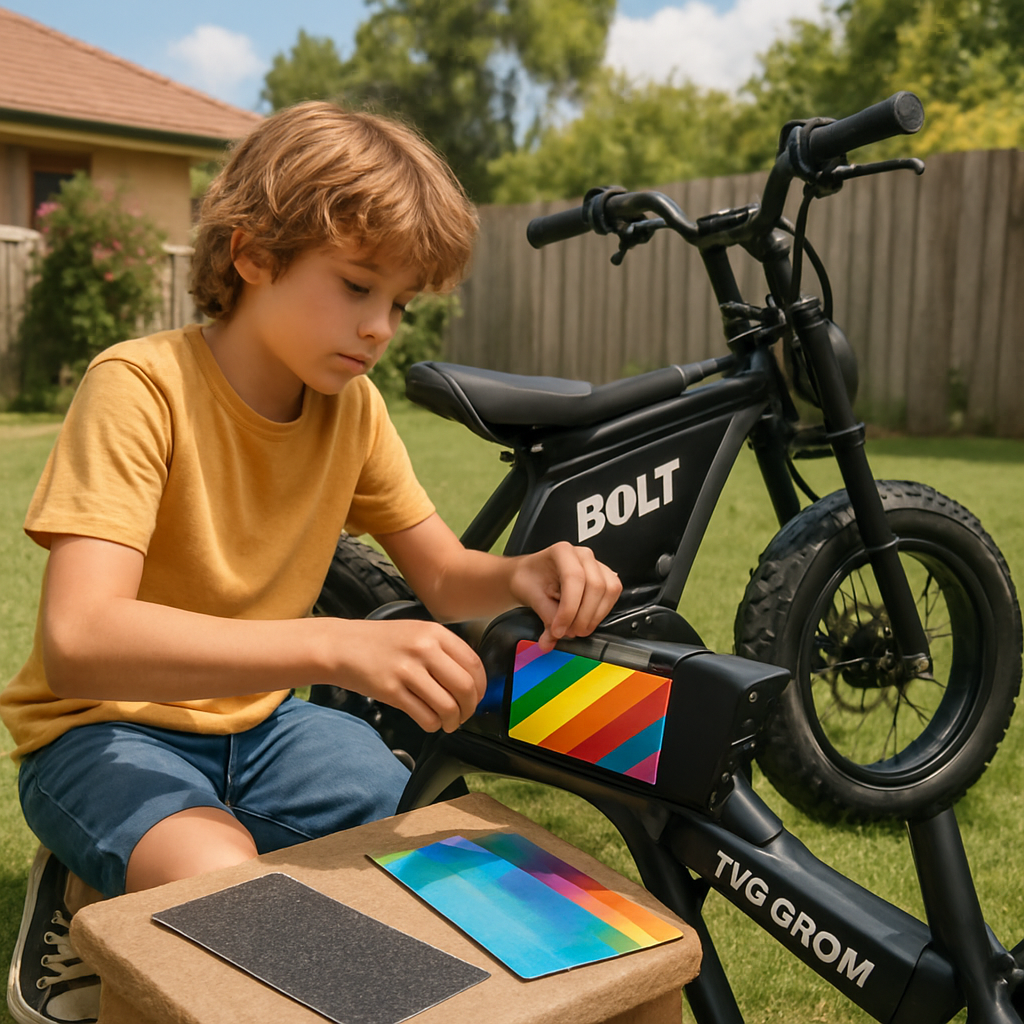
Kids love to show off a bit, and the Grom’s battery case accepts high‑quality vinyl stickers. Choose a bold geometric pattern or a favourite cartoon character – the stickers are UV‑coated, so they won’t peel under the harsh Australian sun. It’s a painless way to personalise without compromising the sealed lithium pack.
And here’s a tiny tip: apply the sticker when the battery is cool, then give it a gentle wipe with a dry cloth. That ensures a bubble‑free finish that lasts months.
Adjustable seat and handlebar heights
The Grom’s seat post and stem are both quick‑release, meaning you can raise or lower the bike as your child grows from eight to eighteen. A simple lock‑nut turns the seat up or down, and the handlebar clamp slides to match. This isn’t just about comfort – a proper fit keeps the centre of gravity stable, especially on steep inclines or loose sand.
Imagine your teen hitting a new hill after a growth spurt. With a few tweaks, the bike feels like it was built for that exact size, reducing fatigue and keeping control razor‑sharp.
Colour‑coded speed limiter caps
One of the neat personalisation tricks is swapping the small plastic caps that sit over the speed‑limiter buttons. Bolt Bikes provides caps in red, blue, green and orange. Kids can pick a colour that matches their helmet or backpack, turning a safety feature into a personal badge of “I’m on 16 km/h mode”. It’s a visual cue for parents too – you’ll instantly see which setting is active.
So, how do you decide which customisation makes sense for your family? Grab a notebook, or just fire up the phone’s notes app, and run through this quick checklist.
Personalisation checklist
- Pick a grip colour that feels good in summer heat.
- Choose tyre tread based on your most‑frequent terrain (beach vs forest).
- Apply a UV‑protected battery sticker that reflects your child’s interests.
- Adjust seat and handlebars for a perfect fit after each growth spurt.
- Swap speed‑limiter caps to match the current speed setting.
When you walk through each step, you’ll see how a few small tweaks turn the Grom from a solid e‑bike into a truly personal adventure machine. It’s still the same 750W motor, 48V 13Ah battery and hydraulic disc brakes you trust, but now it looks and feels like it belongs to your kid.
And remember, every change you make is reversible – if you ever want to go back to the stock setup, just pop the parts back in their original places. That flexibility means the bike grows with your child, both in capability and style.
Ready to start personalising? Grab those grip tapes, pick a tyre tread, and let your kid’s imagination ride alongside the Grom’s power.
Comparing The Grom to Other Kids E‑Bikes
When you start looking at kids electric bikes in Australia, the first thing that pops up is the question: "Is the Grom really that much better than the other options on the market?"
Let’s be honest – there are plenty of colourful frames and flashy specs out there, but not all of them can handle a Saturday at Noosa dunes and a Sunday school run without a hiccup.
Power and torque: the real workhorse
The Grom’s 750W hub motor delivers roughly 80‑90Nm of torque. That’s the kind of pull that lets a 100 kg teen sprint up a 10% grade without the motor whining.
By contrast, many entry‑level kids e‑bikes in Australia stick to the 250‑500W limit required for public‑path compliance. Those bikes feel more like a gentle nudge than a confident push, especially on loose sand or steep fire‑track sections.
So, if your child loves the occasional off‑road adventure, the extra torque of the Grom isn’t just a number – it’s the difference between cruising and struggling.
Battery capacity that matches real‑world use
The 48V 13Ah lithium pack on the Grom translates to about 30‑35 km of mixed‑terrain range, even after a few months of use. Parents report that a single charge comfortably covers a full day at the beach, a trip to the park, and the ride back home.
Cheaper models often ship with 10Ah or less, which can leave you with under 20 km before the indicator flashes red – not ideal when the kids want to explore beyond the driveway.
Pro tip: keep the battery above 30 % after each ride and charge it in the shade. That habit adds years to the pack’s life.
Tyres that actually float
The Grom’s 16×4.0 in fat tyres are purpose‑built for Australian terrain. With a low pressure of 2.5‑5 psi you can tune them for sand, mud, or hardpack without swapping the whole wheel.
Other kids e‑bikes often come with narrower 2‑inch tyres that bite into soft sand, making the bike feel sluggish and increasing the risk of flats.
Real‑world example: a family in Cairns took the Grom to a rainforest trail, dropped the pressure to 3 psi, and the bike glided over leaf litter while the motor kept a steady cadence. Their neighbour’s 12‑inch‑tire bike stalled halfway up the same rise.
Braking confidence on wet surfaces
Hydraulic disc brakes on the Grom give you consistent bite even after a sudden rainstorm. The fluid‑actuated system doesn’t suffer the squeal or fade that rim brakes do on sand‑covered rims.
Many budget kids e‑bikes still rely on mechanical disc or rim brakes, which can feel grabby or lose effectiveness when the pads get clogged with grit.
If you live near the coast, the sealed hydraulic system is a lifesaver – you’ll notice less maintenance and smoother stops on slippery boardwalks.
Parental speed limiter – safety without compromise
The Grom’s software‑based limiter lets you lock the bike at 9 km/h, 16 km/h, 22 km/h, or unlock to 49 km/h for experienced teens – all without swapping hardware.
Other kids e‑bikes often use physical caps that you have to replace or manually adjust, which can be confusing for busy parents.
Because the limiter lives in the firmware, you can change the setting from the Bolt Bikes app in seconds, giving you peace of mind while the kids gain confidence.
How to decide which bike fits your family
1. List the terrain you ride most – beach, bush track, suburb.
2. Match the motor torque to that terrain (750W = off‑road confidence).
3. Check the battery range against your typical ride length.
4. Test tyre width and pressure on a short loop; feel the float.
5. Verify the speed‑limiter method you prefer – software vs hardware.
When you line up these criteria, the Grom usually ticks every box for families that need power, durability, and a child‑friendly safety net.
Quick comparison table
| Feature | The Grom (Bolt Bikes) | Typical Entry‑Level Kids E‑Bike |
|---|---|---|
| Motor | 750W hub, ~80‑90Nm torque | 250‑500W, lower torque |
| Battery | 48V 13Ah, ~30‑35 km range | 36‑48V 10Ah or less, ~15‑20 km range |
| Tyres | 16×4.0 in fat tyres, adjustable pressure | 2‑inch narrow tyres, limited pressure tuning |
| Brakes | Hydraulic disc | Mechanical disc or rim brakes |
| Speed limiter | Software‑based, 4 settings via app | Physical caps, manual swap |
Bottom line: if you want a kids e‑bike that can grow from a backyard cruise to a weekend trail adventure without swapping parts, the Grom stands out. Its combination of power, battery life, tyre versatility, reliable brakes, and a smart limiter makes it the go‑to choice for Australian families who value safety and fun in equal measure.
Conclusion & Call to Action
Imagine watching your kid zip up the beach dunes, the fat tyres humming under a sunrise, and feeling that mix of pride and relief because the bike is safe, powerful, and built for Aussie terrain. That's the promise of a :kids electric bike australia that doesn't compromise on performance.
We've walked through motor torque, battery endurance, tyre float, and the parental speed limiter – all the pieces that turn a weekend ride into a confidence‑building adventure. If you’ve ever worried about a 750W motor being too much for a child, remember the limiter lets you dial the power back to a gentle 9 km/h, then grow with them.
So, what’s the next step? Grab the Grom, set the limiter to match their skill level, and take a short test loop around the backyard. A quick check of tyre pressure and battery charge will give you the peace of mind you deserve.
Ready to make that first ride happen? Visit the official product page and see how the Grom fits your family’s needs. Explore the Grom’s specs and order today.
Remember, a well‑chosen kids e‑bike isn’t just a toy – it’s a tool for outdoor confidence, safety, and endless fun. Let’s get your child on the trail, and watch them own the ride.
FAQ
What makes a :kids electric bike australia different from a regular kids bike?
Because it’s got a 750W motor, a 48V 13Ah lithium pack and 16×4.0 in fat tyres, the ride feels more like a small adventure machine than a push‑bike. You get instant torque that helps a child climb sand dunes or fire‑track hills without sweating, plus a parental speed limiter that keeps the top speed safe for their age. In short, you get power, range and safety wrapped in one sturdy frame.
Is the speed limiter on the Grom really necessary?
Absolutely. The limiter lets you lock the bike at 9 km/h for beginners, bump it to 16 km/h or 22 km/h as confidence grows, and even unlock to 49 km/h for experienced teens – all without swapping hardware. That software‑based control means you can match the bike to your child’s skill level in seconds via the Bolt Bikes app, keeping rides legal on public paths under Queensland e‑bike rules.
How do I know what tyre pressure to use on different Australian terrains?
Think of pressure as the bike’s “float” setting. For soft sand or coastal dunes, drop to around 2.5 psi so the 16‑inch fat tyre spreads out and glides. On mixed sand‑to‑gravel aim for 3 psi, and for hard‑pack, fire‑track or forest floor raise it to 4‑5 psi for sharper handling. A quick gauge check before each ride and a half‑psi tweak if the rider’s near the 100 kg limit will keep the bike planted.
Can the Grom’s battery handle hot Australian summers?
Yes, the sealed 48V 13Ah pack is built to stay cool even in scorching weather. The key is to charge it in the shade and avoid leaving it in a hot car. After each ride, wipe away sand or salt, then plug it in if the indicator is under 70 %. Keeping the charge above 30 % and storing the bike in a ventilated spot adds years to the pack’s life.
What maintenance does a hydraulic disc brake system need?
Hydraulic discs are low‑maintenance compared to rim brakes, but they still need a quick visual check. Look for fluid leaks around the caliper, wipe away any grit that might have settled, and give the pads a once‑a‑month inspection for wear. If the lever feels spongy, a simple bleed with the kit in the user manual will restore firm bite. That routine keeps stopping power reliable on wet boardwalks or rainy trails.
Is the Grom legal for my teen to ride on public paths?
Under Queensland law, e‑bikes are limited to 250 W power on public paths. The Grom’s 750W motor is classified as a “powered bicycle” and stays legal as long as the speed limiter is set to 9, 16 or 22 km/h, which keeps the motor’s effective output within the 250 W‑equivalent envelope. No licence, registration or insurance is needed when you respect those settings.
How do I customise the Grom without voiding the warranty?
Bolt Bikes offers official grip‑tape colours, tyre tread swaps, battery‑case stickers and colour‑coded speed‑limiter caps that snap on and off without altering the frame. Because these parts are designed to be user‑replaceable, you can personalize the bike and still stay covered under the standard warranty. Just avoid drilling or welding the frame – stick to the bolt‑on options and you’ll keep the warranty intact.