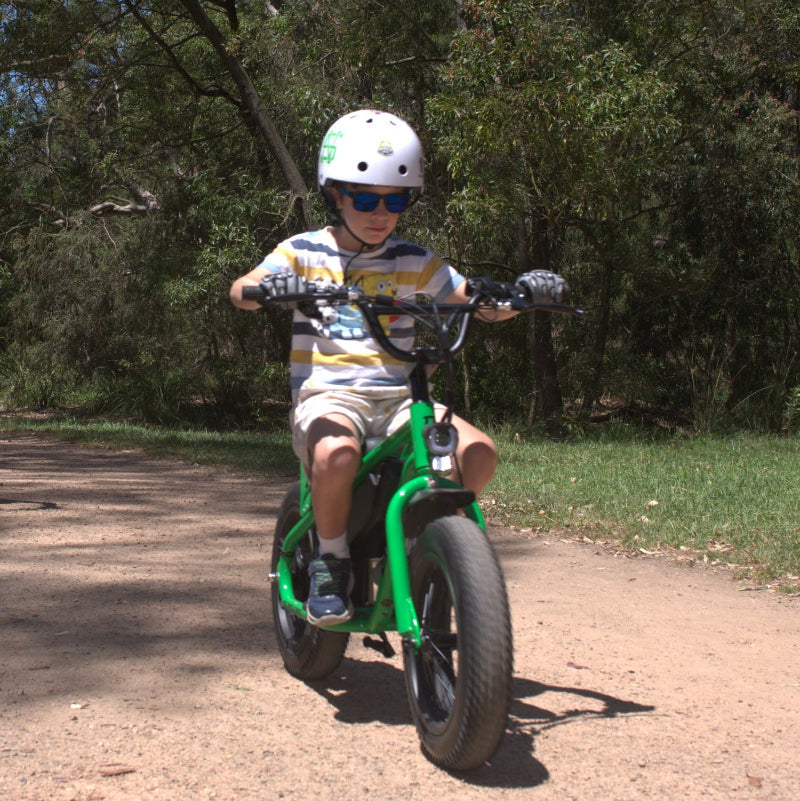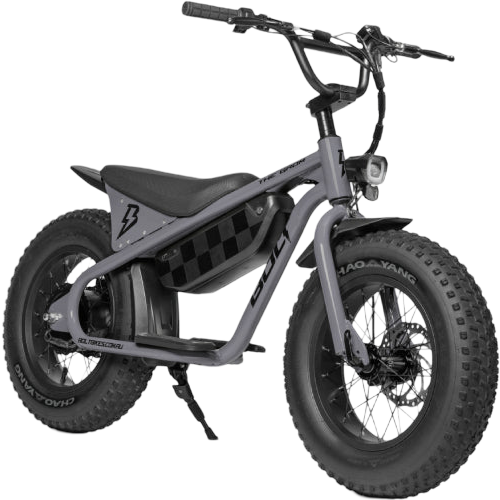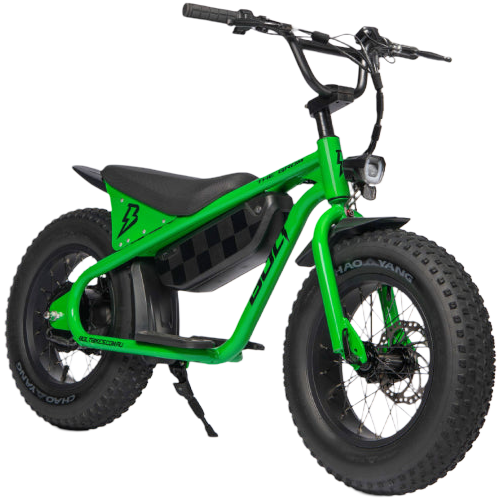
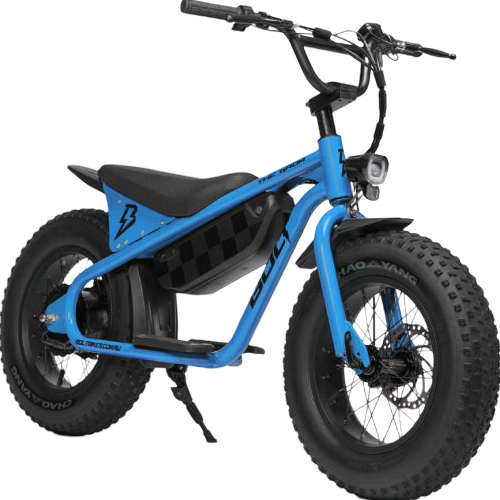
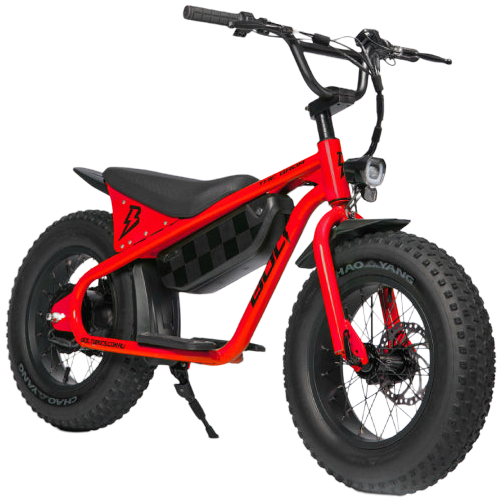
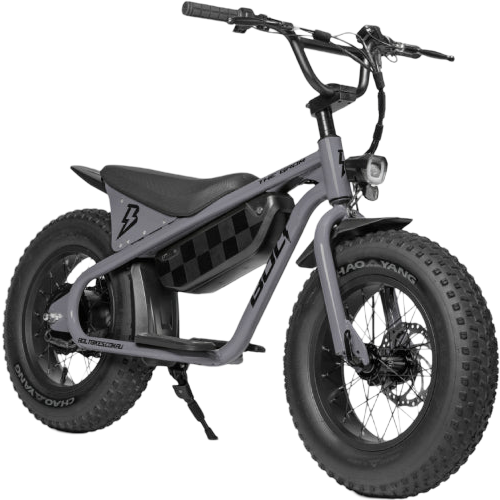
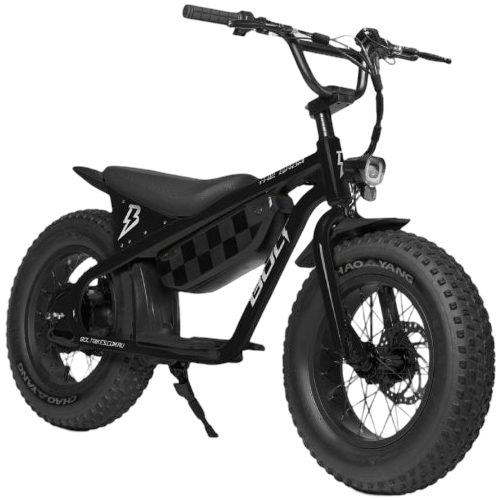

Picture this: you’re standing at the edge of a sunny park, the kids’ e‑bike humming softly, and you’re wondering if the battery will keep up with a whole afternoon of exploration.
That tiny knot of doubt? It’s the same one every Aussie parent feels when they first glance at a 48v 15ah ebike battery spec. You’re thinking about range, power, and whether that extra 2 Ah really matters for a weekend ride.
Here’s the thing – a 48v system already gives you solid torque, especially when paired with a 750W motor like the one on The Grom. Adding a 15ah capacity bumps the energy storage up a notch, meaning you could squeeze an extra 20–30% more kilometres out of a single charge. For kids who love to wander from the bike track to the creek and back, that extra juice can be the difference between “we’re home early” and “let’s keep going until sunset.”
But it’s not just about numbers on a sheet. Think about the weight shift: a larger battery sits a bit lower and can affect handling. Parents often ask, “Will my teen still feel in control?” The answer is usually yes, because the extra amp‑hours don’t add a massive amount of mass – especially with modern lithium‑ion cells that are both light and dense.
And then there’s the peace of mind factor. Knowing the battery can handle a few extra hills or a longer off‑road adventure means you can set the speed limiter to a comfortable 16 km/h without constantly watching the charge gauge. It’s those small confidence boosts that let you relax and enjoy the ride together.
So, if you’re weighing whether a 48v 15ah battery is worth the upgrade, ask yourself: do you need that extra range for longer family outings, or is the standard 13ah sufficient for quick trips around the neighbourhood? Either way, understanding how capacity translates into real‑world freedom is the first step to making an informed choice.
Let’s dive deeper into how battery capacity impacts performance, safety, and the overall fun factor for your young rider.
TL;DR
A 48v 15ah ebike battery gives your kid’s Grom about 20‑30% more range, letting you tackle extra hills and longer rides without worrying about the charge gauge. Because the extra amp‑hours add little weight, handling stays kid‑friendly, so families can enjoy carefree afternoons while keeping safety limits in place today.
Understanding 48V 15Ah eBike Batteries
When you first see "48V 15Ah" on the spec sheet, it can feel like a code you need to crack. In plain English, 48 volts is the pressure that pushes current through the motor, while 15 amp‑hours tells you how much charge the pack can store before it says “time to recharge.” Together they decide how fast the Grom can climb a sand dune and how far it will go on a single plug‑in.
Why the 48‑volt part matters for kids’ rides
Higher voltage means the motor sees less resistance, so it can deliver smoother torque. On a typical Australian trail, that translates to the bike pulling up the steep side of a coastal bluff without the rider having to pedal hard. The Grom’s 750W motor is already hungry for power; feeding it 48V keeps the current draw lower, which in turn reduces heat in the controller and protects the battery’s lifespan.
Think about a Saturday outing at the Blue Mountains. With a 13Ah pack you might get 25 km before the gauge dips, but bumping to 15Ah can stretch that to roughly 30‑35 km, giving you that extra loop around the lookout before you have to head home.
What 15 Ah actually buys you
Capacity is a measure of energy: 48V × 15Ah = 720 Wh. That’s about 20 % more stored energy than a 13Ah (624 Wh) pack. In real‑world terms, families report anywhere from 40 to 90 km per charge depending on terrain and rider weight — a range quoted by industry experts in a recent lithium‑battery guide. For a 12‑year‑old tackling mixed pavement and gravel, the extra whiff of juice means fewer “are we there yet?” pauses.
But it’s not just distance. The extra amp‑hours also give the motor a little more breathing room when you hit a sudden hill. You’ll notice a steadier pull rather than a dip in power that can feel like the bike is “struggling.”
Weight and handling – does more capacity make the bike feel clunky?
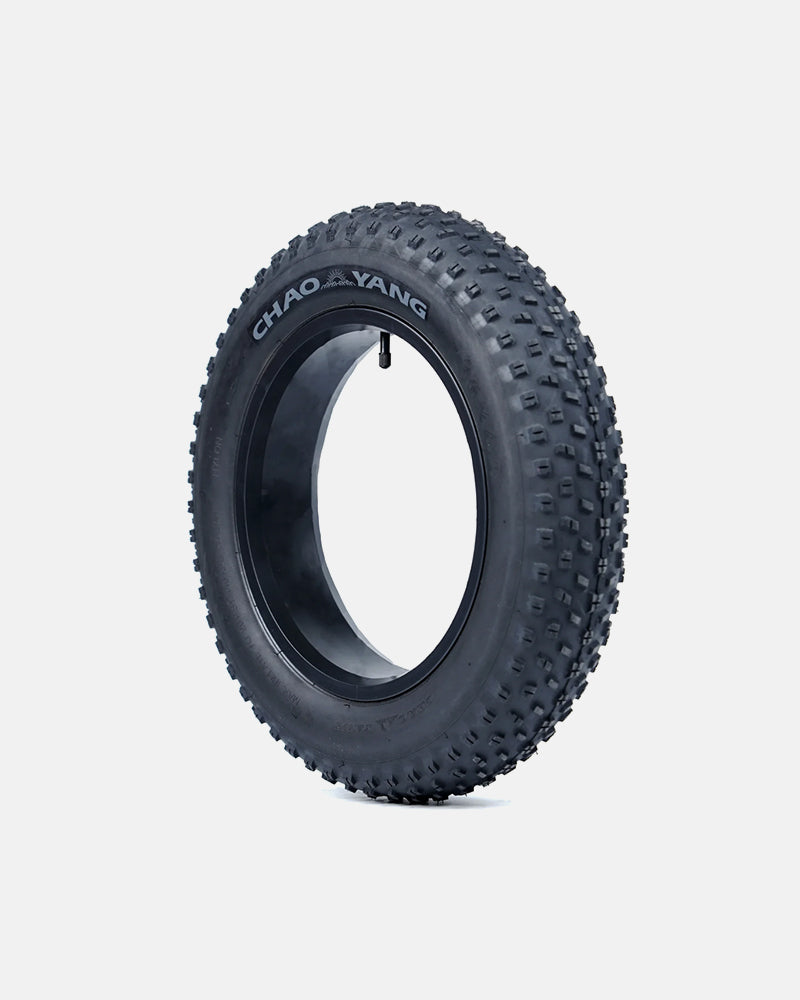
Modern lithium cells are dense, so the jump from 13Ah to 15Ah adds only about 250‑300 grams. That’s roughly the weight of a water bottle, and because the battery sits low in the frame, the centre of gravity actually improves a tad. Kids usually don’t notice any difference in handling, especially on the Grom’s wide 16×4.0 in fat tyres that already give a planted feel.
Here’s a quick checklist to feel the difference yourself:
- Weigh the new pack (you’ll see the spec on the sticker).
- Mount it on the bike and check that the rear triangle stays level.
- Take a short test ride on flat ground; notice if the bike feels “tighter” or “looser.”
Safety features built into a 48V 15Ah pack
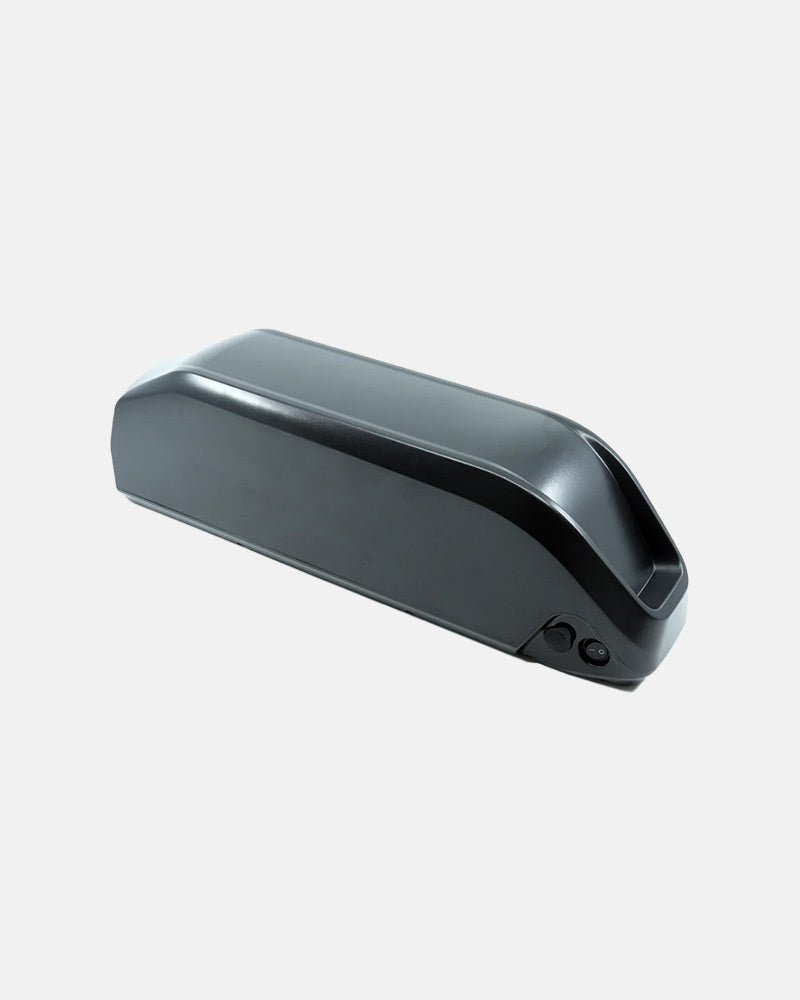
Every quality 48V 15Ah battery comes with a Battery Management System (BMS). The BMS watches each cell’s voltage and temperature, cutting off charge if anything looks out of whack. That’s why you won’t see the dreaded “smoke” incidents that plague cheap lead‑acid kits.
For parents, the BMS means you can set the Grom’s speed limiter and let the bike run its own safety checks without worrying about over‑heat. Just remember to use the charger that ships with the battery – it’s calibrated to the BMS’s limits.
Practical steps to get the most out of your 48V 15Ah battery
1. Partial charges are your friend. Instead of draining to 0 % every week, aim for 20‑80 % whenever possible. That reduces stress on the cells.
2. Store it in a cool, dry spot. Extreme heat or freezing temperatures can permanently shrink capacity.
3. Keep contacts clean. A dry cloth wipe before each ride prevents resistance spikes.
4. Check the BMS indicator. Most packs have a small LED that flashes red if a cell is out of balance – reset by a full charge.
5. Plan your rides. Use a mapping app to estimate elevation gain; a 500‑meter climb will shave roughly 5‑7 km off the advertised range.
Real‑world example: a family day at the beach
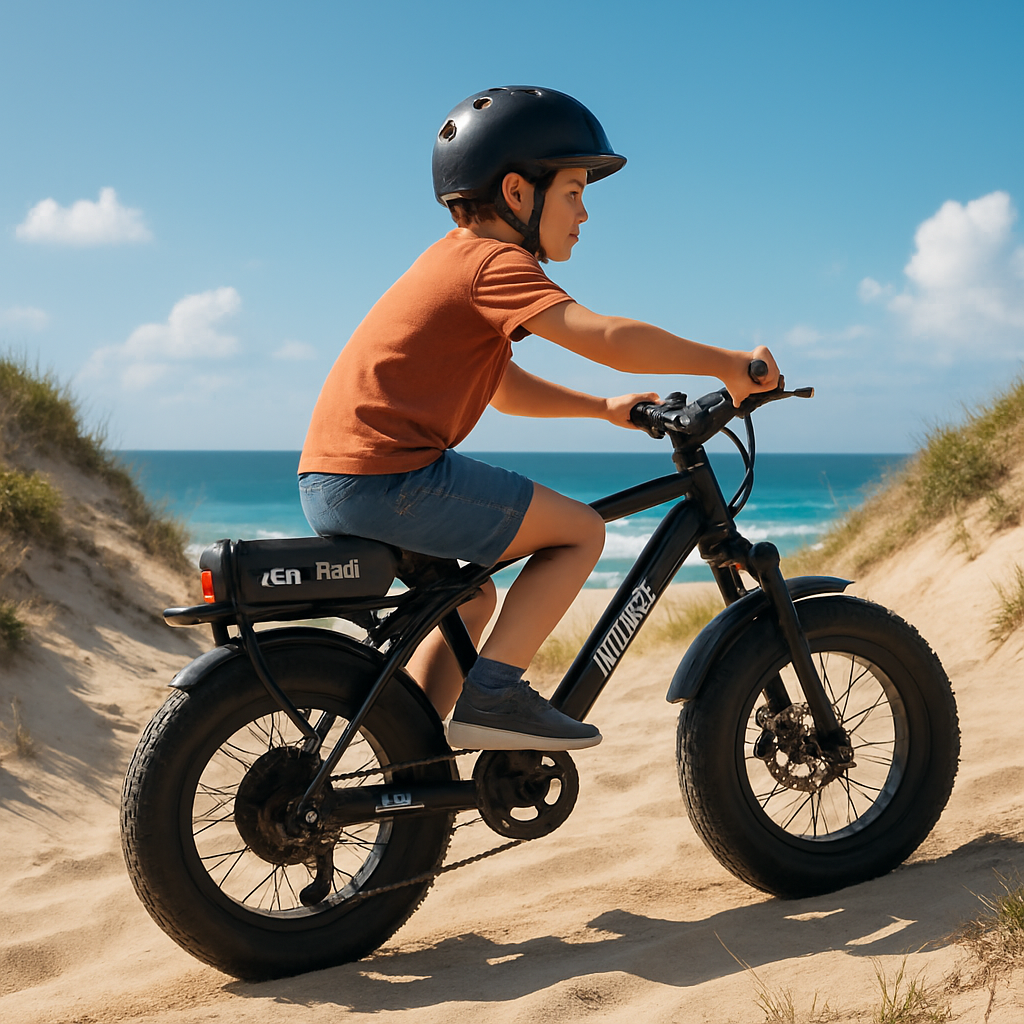
Imagine a Sunday morning at Bondi Beach. You load the Grom with a fresh 48V 15Ah pack, set the limiter to 16 km/h for safety, and head out. The ride to the promenade is flat – you easily cover 15 km. When you decide to explore the sand dunes, the extra 15Ah lets you tackle the steep rise, cruise the top, and still have enough juice for the return trip without a mid‑ride plug‑in.
That extra buffer can be the difference between “we’re cutting it short” and “let’s stay until sunset.”

Bottom line: the 48V 15Ah eBike battery gives you a modest but meaningful lift in range, hill‑climbing confidence, and safety peace of mind, all while keeping the Grom light enough for kids to handle. Follow the maintenance steps above, and you’ll enjoy years of reliable rides.
How 48V 15Ah Batteries Power Kids eBikes: The Grom Case Study
Ever wondered why a 48V 15Ah pack feels like the secret sauce behind a day‑long adventure on a kids e‑bike? The answer lies in how that extra two amp‑hours translate into real‑world confidence when you hit the park, the beach, or a hilly suburb.
Step 1 – Check the pack’s state of charge before you leave
Grab the battery’s LED indicator and make sure it sits between 20 % and 80 % for optimal longevity. A quick glance tells you whether you have roughly 720 Wh of usable energy (48V × 15Ah). That number is the budget you’ll spend on kilometres, hill climbs, and safety margin.
Step 2 – Map your route with elevation in mind
Pull up any mapping app and note the total ascent. For every 100 m of climb you can expect to lose about 5–7 km of range on the Grom. Knowing this helps you decide if the 15Ah pack will get you from the driveway to the lookout and back without a mid‑ride recharge.
Step 3 – Pack the battery low and secure
The Grom’s rear rack is designed for a low centre of gravity. Slide the 48V 15Ah pack into the slot, lock the quick‑release latch, and give it a gentle wiggle. If the bike still feels level, you’ve nailed the handling balance – kids won’t notice any “clunkiness”.
Step 4 – Set the speed limiter appropriate to the terrain
On flat playgrounds you might stick with the 16 km/h setting. Once you approach a sand‑dune or a steep trail, switch to the 22 km/h mode for a smoother torque curve. The extra amp‑hours keep the motor from dipping when the throttle hits the hill.
Step 5 – Test ride with a short distance first
Take a 2‑km loop around the neighbourhood. Pay attention to two things: does the motor pull consistently, and does the battery gauge stay steady? If the gauge drops slower than you expected, you’ve got headroom for the longer adventure.
Real‑world case study – Saturday at the Blue Mountains
One family loaded their Grom with a fresh 48V 15Ah pack, set the limiter to 16 km/h, and headed for the Govetts Leap trail. The first 10 km were flat, then they faced a 250 m climb. Because the battery stored 720 Wh, the motor maintained a firm pull and the kids stayed excited instead of whining about “no power”. After the summit they rode another 12 km on the ridge before the gauge read 30 %. The whole outing lasted 2.5 hours without a single plug‑in.
Pro tip from Bolt Bikes engineers
Keep the battery’s contacts clean with a dry microfiber cloth after each ride. A thin film of dust can add resistance and shave a kilometre or two off your range. Also, store the pack in a shaded garage during the Australian summer – temperatures above 35 °C accelerate cell ageing.
Actionable checklist before every outing
- Verify LED indicator is 20‑80 %.
- Secure the pack in the rear rack.
- Set the limiter based on terrain.
- Do a 2‑km test ride and note gauge behaviour.
- Wipe contacts and note any odd smells.
- Log the total distance you covered for future planning.
When you follow these steps, the 48V 15Ah battery becomes more than just a number on a spec sheet – it’s the reliable partner that lets your child explore farther, climb higher, and ride longer with peace of mind. Ready to experience it yourself? Check out The Grom and see how the battery fits into the whole adventure package.
Choosing the Right Battery Capacity for Young Riders
Before you lock the Grom into a weekend adventure, you’ve probably asked yourself: “Do I really need a bigger pack, or will the standard 13 Ah do the job?” That question is the heart of picking the right battery capacity for kids. It’s less about numbers on a spec sheet and more about matching the bike’s juice to the kid’s riding style, the terrain, and how long you want to stay out without hunting for a power outlet.
1. Map the typical ride – distance, hills, and stop‑overs
Take a mental walk through a typical Saturday. Maybe you start at the local park, cruise 5 km on flat paths, then hit a 150‑metre climb up the coastal bluff, wander around a creek trail for another 8 km, and finish with a short loop back home. Roughly that adds up to 20‑25 km of mixed terrain.
With a 48v 15ah pack (720 Wh) you’ll usually see 30‑35 km of real‑world range on a Grom, while a 13 Ah pack (624 Wh) caps out around 25‑28 km. Those extra 5‑7 km can be the difference between “we’re done” and “let’s explore the next trail”. TST EBike’s battery guide notes that a 48V 15Ah battery typically gives 40‑60 miles of range depending on conditions, which lines up nicely with our Australian family outings.
2. Weight matters – but not as much as you think
The jump from 13 Ah to 15 Ah adds roughly 250‑300 g. That’s about the weight of a water bottle you might sling on the handlebar. Because the battery sits low in the rear triangle, the centre of gravity actually improves a touch, so kids usually don’t feel any “clunkiness”. If you’re still unsure, try the quick test below.
- Lift the rear wheel off the ground and feel the bike’s balance with the 13 Ah pack installed.
- Swap in the 15 Ah pack and notice whether the bike feels steadier or the same.
- If the handling feels the same, you’ve got the extra range without compromising control.
3. Real‑world scenarios – when the extra capacity shines
Scenario A: Beach day at Bondi. You’ll spend most of the ride on flat promenade, but a sudden sand‑dune climb can drain a smaller pack quickly. With 15 Ah, the motor holds steady on the dune, letting the kids enjoy the top before cruising back.
Scenario B: Blue Mountains family trek. A 250‑metre ascent followed by ridge riding can shave 5‑7 km off the range. Families who used the 15 Ah pack reported still having 30 % charge left after 22 km of mixed climbing and riding – enough for a relaxed return.
In both cases the extra amp‑hours act as a safety buffer, reducing the anxiety of “are we going to run out?” and letting you focus on the fun.
4. Actionable checklist – decide which capacity fits your kid
- Write down the longest planned ride (km) and total elevation gain (metres).
- Use the rule of thumb: subtract 5‑7 km for every 100 m of climb.
- Compare the resulting figure to the estimated range of the 13 Ah pack (≈25 km) and the 15 Ah pack (≈32 km).
- If the result exceeds the 13 Ah range, lean toward the 15 Ah option.
- Test both packs on a short 2‑km loop; note gauge drop speed and handling feel.
When you’ve ticked those boxes, you’ll know whether the extra capacity is worth the modest weight increase.
Quick comparison table
| Feature | 13 Ah (Standard) | 15 Ah (Extended) |
|---|---|---|
| Energy (Wh) | 624 Wh | 720 Wh |
| Typical flat‑ground range | 25‑28 km | 30‑35 km |
| Additional weight | Baseline | +250‑300 g |
| Best for | Short neighbourhood rides | Hill‑heavy trails & longer outings |
Bottom line: the 48v 15ah ebike battery gives you that extra breathing room for hills and longer trips without turning the Grom into a heavyweight. Pair it with good charging habits – keep the charge between 20 % and 80 % when you can, store it in a cool, dry spot, and wipe the contacts after each ride – and you’ll have a reliable power source that grows with your child’s sense of adventure.
Maintaining and Extending the Life of a 48V 15Ah Battery
Why caring for the pack matters
We all love that extra kilometre or two the 48v 15ah ebike battery gives the Grom, but the moment you start treating it like a disposable gadget, the range will shrink faster than a summer puddle. The cells inside are lithium‑ion – they’re forgiving, but only if you give them a bit of love.
Think about it this way: every time you over‑charge, store the pack in a scorching garage, or let it sit flat for weeks, you’re nudging the chemistry a little further from its sweet spot. Over time that adds up, and you’ll notice the gauge dropping earlier than it used to.
Daily charging habits that actually work
First rule of thumb – aim for 20 % to 80 % state‑of‑charge on a regular basis. That means you don’t have to wait for the battery to hit the red line before you plug it in, and you don’t need to charge it to 100 % every night unless you’re planning a marathon ride.
Here’s a simple routine you can adopt:
- After the kids finish a ride, check the LED indicator. If it reads around 30‑40 %, plug the charger in.
- Set a timer on your phone so the charger stops after about 3‑4 hours – most 48v 15ah packs finish around then.
- If you know you’ll be out for a full day, give it a full charge the night before, but pull the plug once it hits 100 % and let it sit at around 80 % for the morning.
Why does this help? Partial charges keep the voltage swing lower, which reduces stress on each cell and can add a couple of hundred kilometres to the overall lifespan.
Temperature – the silent killer
Australian summers can push garage temperatures past 35 °C, and a hot battery ages twice as fast. Conversely, a chilly shed can temporarily drop capacity, making the gauge look worse than it really is.
Store the pack in a cool, dry spot – a cupboard away from direct sunlight works wonders. If you need to leave it in the bike overnight during a heatwave, slip a thin towel between the battery and the frame to act as a modest insulator.
For a data‑backed perspective, the TST blog notes that 48v 15ah batteries typically deliver 35‑65 miles per charge, but that range assumes moderate temperatures and sensible charging habits according to TST’s battery guide. Keep yours in the right climate and you’ll stay in that sweet range.
Keeping the contacts clean
Every time you swing the Grom onto a trail, dust and sand love to settle on the terminals. A thin film of grime can add a few ohms of resistance, which translates to a kilometre or two of lost range.
Grab a dry microfiber cloth and give the contacts a quick wipe after each ride. If you notice any greenish residue, a tiny dab of isopropyl alcohol on the cloth will dissolve it – just make sure the battery is unplugged first.
Real‑world maintenance checklist
Take a minute before you lock the bike up for the night and run through this short list:
- Check the LED indicator – is the pack between 20 % and 80 %?
- Wipe the terminals with a dry cloth.
- Confirm the charger is the one that came with the Grom; don’t swap in a generic 48v charger.
- Store the bike (and battery) in a shaded, ventilated area.
- If the ride involved a steep climb, note the distance and gauge drop – it helps you fine‑tune future charging.
Doing this every time costs you a few seconds, but over months it adds up to a healthier pack.
Long‑term storage tips
Planning a winter break? Charge the battery to about 50 % and then store it in a temperature‑controlled space – a garage that stays around 15‑20 °C is ideal. Leave it plugged in all the time, and you’ll end up with a swollen cell that refuses to hold a charge.
The VICTRIP spare‑battery page reminds users to use a dedicated charger for spare packs and to keep the storage environment stable as recommended by the manufacturer. The same principle applies to the Grom’s 48v 15ah pack.
When to replace – spotting the warning signs
If you start seeing the LED flash red more often, or the gauge drops 10 % faster after a month of good habits, that’s a cue that the cells are losing balance. A full charge that still leaves you under 30 % after a short 5‑km ride is another red flag.
At that point, reach out to Bolt Bikes’ service team – the warranty covers six months on the battery, so you might still be eligible for a replacement.
Quick action plan for today’s ride
Before you head out tomorrow, do this:
- Plug the charger in now if the pack is below 40 %.
- Wipe the contacts while the charger is running – no risk of short‑circuit.
- Place the bike in the shade, not the direct sun.
- Write down today’s planned distance and elevation; compare it to the 30‑35 km range you expect from a 48v 15ah battery.
Follow these steps and you’ll keep the Grom’s power humming for years, giving your kids the freedom to explore without you constantly worrying about a dead battery.
FAQ
What does a 48v 15ah ebike battery actually mean for my kid’s Grom?
The spec ‘48 V 15 Ah’ tells you two things: the pack pushes 48 volts through the Grom’s 750 W motor, and it can store 15 amp‑hours of energy – roughly 720 Wh. In everyday terms that translates to about 30‑35 km of mixed‑terrain riding for an 8‑ to 18‑year‑old, give or take hills and rider weight. So you get a noticeable boost over the standard 13 Ah pack without adding bulk.
How long will the 48v 15ah battery last before I need to replace it?
With typical Aussie use – weekend rides, occasional school trips and a few climbs – a quality 48 V 15 Ah lithium pack should give you 2‑3 years of solid performance before capacity drops noticeably. Most manufacturers quote about 500‑600 full charge cycles, which works out to roughly 300‑400 rides for a kid’s e‑bike. Keep the pack between 20 % and 80 % charge and you’ll stretch that life toward the upper end.
Can I charge the 48v 15ah battery overnight with any charger?
You can safely charge the 48 V 15 Ah battery with the charger that comes with the Grom, and you don’t need a special ‘fast‑charge’ unit. Plug it into a standard 230 V outlet, let the indicator turn green, and disconnect once it’s full. Leaving it on overnight once in a while won’t kill the cells, but for everyday use aim for a 3‑4‑hour charge window to avoid unnecessary heat.
Is it safe to store the battery in the car during a hot Australian summer?
Leaving a 48 V 15 Ah pack in a car that’s baking at 35 °C or higher can accelerate cell ageing, especially if it sits at 100 % charge. If you must store it in the vehicle, aim for a half‑charged state (around 50‑60 %) and place the bike in the shade or a ventilated spot. Ideally, keep the battery in a cool, dry garage when the bike isn’t being used for a few days.
How can I tell if the battery is losing capacity early?
The first sign that a 48 V 15 Ah battery is losing capacity is a faster drop on the gauge after a typical ride – for example, a 20 km outing that used to leave 30 % remaining now shows only 10 %. You may also notice the LED on the BMS flashing red more often, or a slight warmth on the pack after charging. Recording your rides in a simple log helps you spot the trend early.
Will using the 48v 15ah battery affect the Grom’s warranty?
The Grom’s battery comes with a six‑month warranty from Bolt Bikes, so any premature failure within that period can be replaced at no cost, provided you’ve used the supplied charger and followed the care guide. Using a non‑OEM charger or exposing the pack to extreme temperatures could void the warranty, so stick to the recommended charging routine and storage advice. If you’re still within the warranty window, contact Bolt Bikes support for a replacement.
Conclusion
We've taken a long ride through what a 48v 15ah ebike battery actually means for the Grom, from raw numbers to everyday family outings.
At the end of the day, the extra two amp‑hours give you roughly 20‑30% more range, a steadier hill climb, and just enough breathing room to let the kids explore without you constantly watching the gauge.
And because the pack only adds a few hundred grams, handling stays kid‑friendly – you won't notice any clunkiness on the park trail.
So, what should you walk away with?
- Keep the charge between 20 % and 80 % whenever you can; it’s the simplest way to extend life.
- Store the battery in a cool, dry spot out of direct sun – Australian summers can be harsh.
- Wipe the terminals clean after each ride; a little dust can shave kilometres off your range.
- Log your rides now and then; spotting a faster gauge drop early can save you a surprise mid‑day recharge.
If those steps feel doable, you’re already set to get the most out of your 48v 15ah ebike battery and let the Grom become the reliable adventure partner your family deserves.
Ready to see the battery in action? Take a look at the Grom and start planning your next weekend ride.