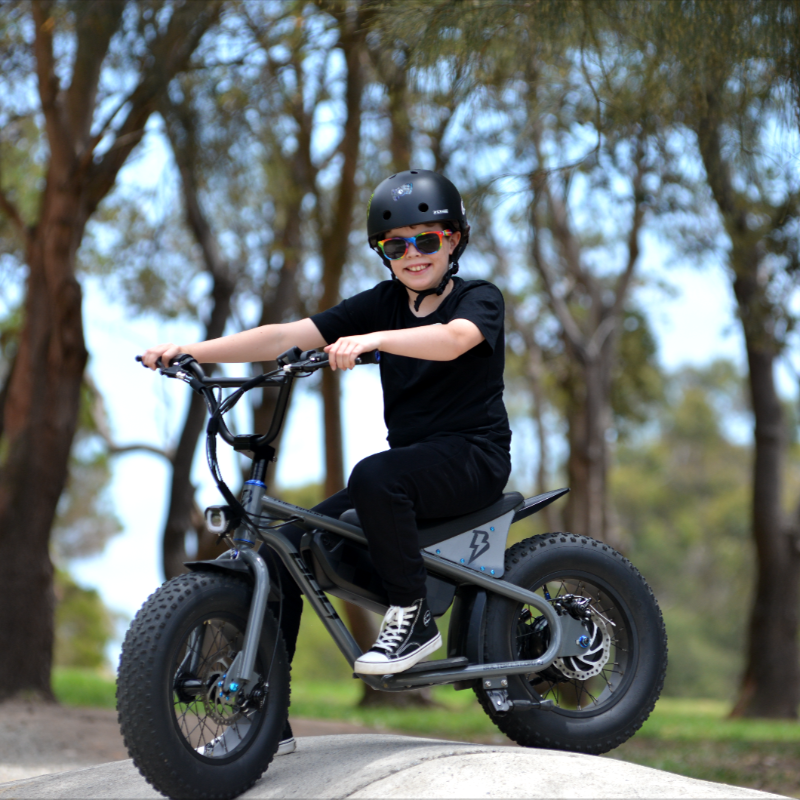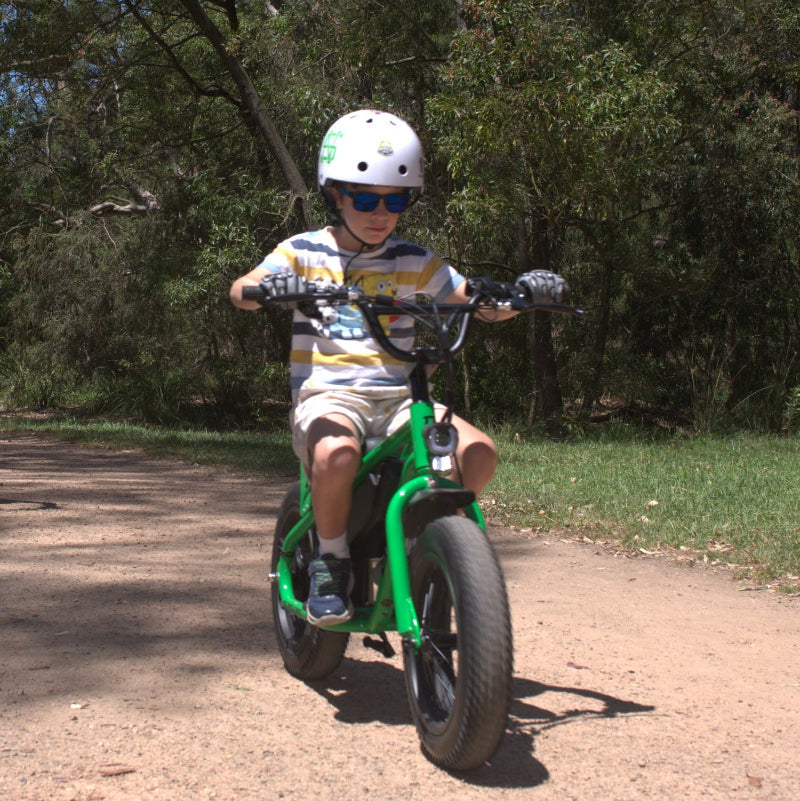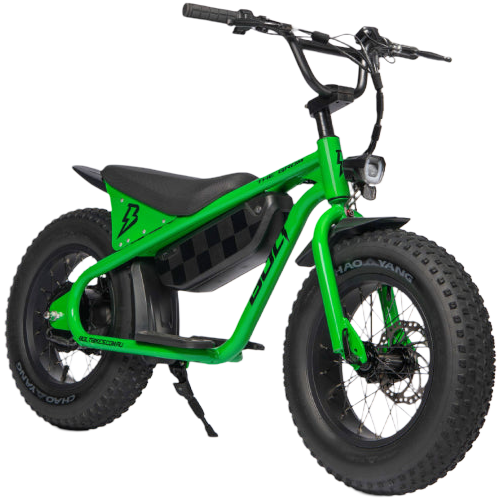
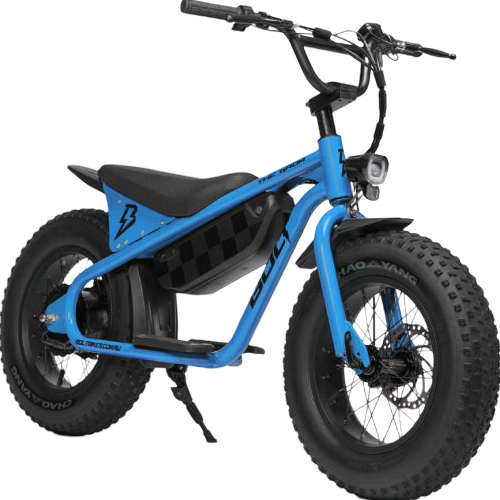

Ever watched your kid's eyes light up as they hop on an e‑bike and wonder if the power will last through a whole day of exploring?
That moment is both exciting and a little nerve‑wracking, especially when the 48v ebike battery is the heart of the ride.
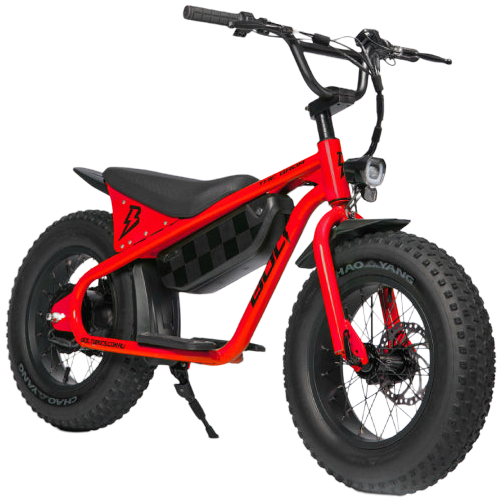
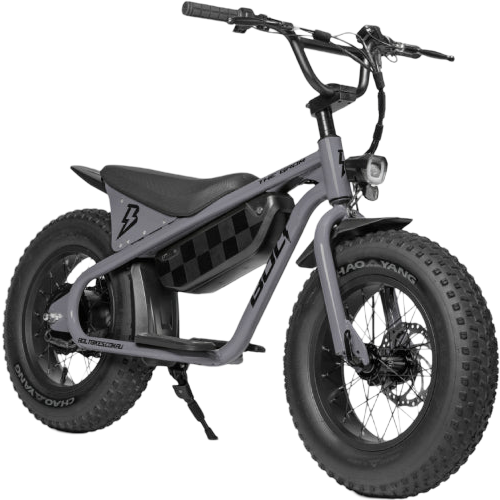
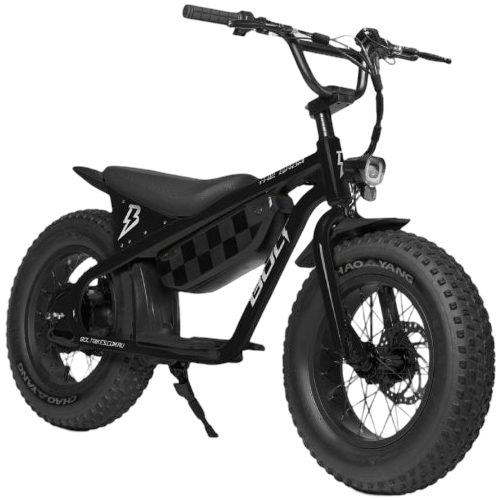
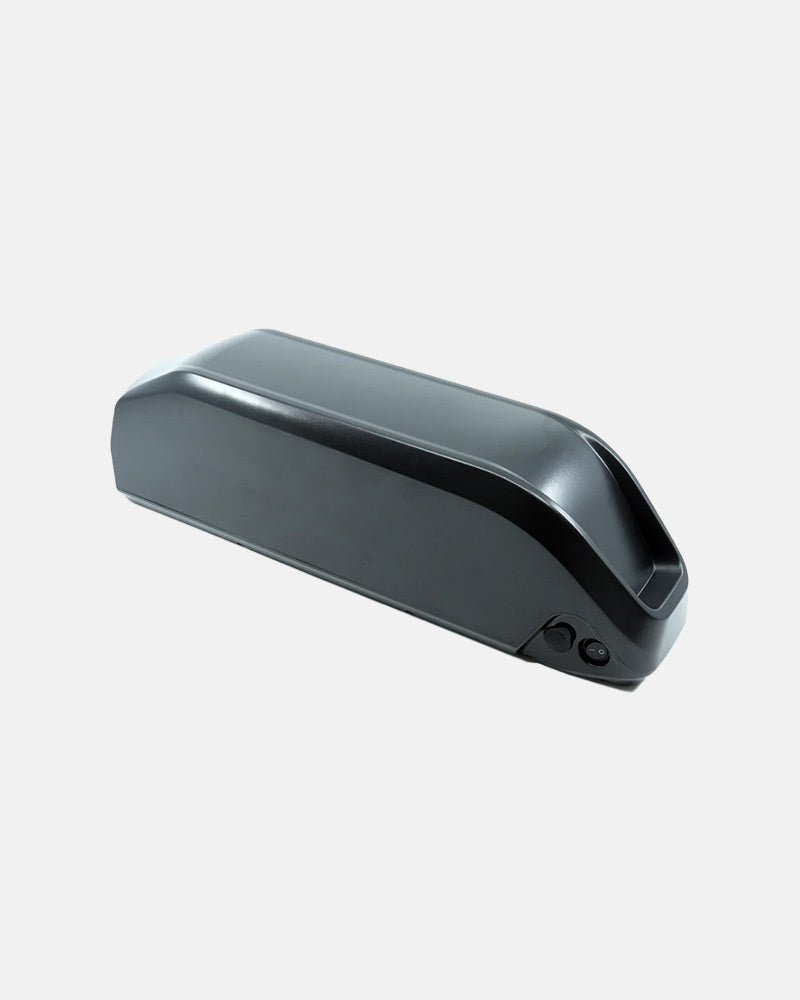
With The Grom, Bolt Bikes has packed a 48V 13Ah lithium cell that delivers the punch of a 750W motor while staying safe for ages 8 to 18.
Think about it this way: a single charge can power a full‑day trek on the beach, through bush tracks, or around the neighbourhood without a dip in performance.
And because the battery is sealed, waterproof and built for Australian conditions, you don’t have to worry about rain or a splash from a creek.
But there’s more than raw range – the 48v ebike battery also feeds the hydraulic disc brakes and the parental speed limiter, keeping the ride smooth and under control.
Picture this: you set the limiter to 16km/h for a gentle park ride, then bump it up to 22km/h for a family trail, all powered by the same reliable pack.
Now, you might be asking, ‘How long does a charge actually last?’ In real‑world tests, families report anywhere from 30 to 45 kilometres before needing a top‑up, depending on terrain and rider weight.
That means you can pack a picnic, hit the sand dunes, and still have juice left for the ride home.
And if you ever wonder about charging, the Grom’s 48v charger slots into any standard Australian outlet, topping up in about three to four hours – perfect for an overnight plug‑in.
So, the next time you’re weighing up a kids e‑bike, remember the battery isn’t just a component; it’s the confidence that the adventure will keep going.
Ready to see how a solid 48v ebike battery can change your family’s outdoor routine? Let’s dive deeper and explore what makes this power source the perfect match for Aussie kids and their big‑spirit rides.
TL;DR
The 48v ebike battery in Bolt’s Grom gives kids up to 45 km of reliable power, waterproof performance, and instant control through a built‑in speed limiter.
So you’ll explore dunes or trails longer, because a full charge tops up in four hours and keeps the bike ready for daily Aussie adventures.
Understanding the 48V 13Ah Battery in The Grom
When you first hear “48V 13Ah”, your mind might jump straight to numbers and wonder if that’s enough power for a day of beach rides and bush tracks. Trust me, we’ve been there – staring at spec sheets while the kids are already itching to hop on.
So what does 48V actually do for a kid‑focused e‑bike? In simple terms, voltage is the push that gets the 750W motor moving. The higher the voltage, the smoother the torque delivery, which means the Grom can zip up a sand dune without the motor grinding to a halt. That’s why Bolt chose 48V instead of a lower 36V option – it gives you that instant, kid‑friendly surge without sacrificing safety.
13Ah – the real‑world capacity you’ll feel
13Ah, or amp‑hours, is the battery’s “fuel tank”. A 13Ah pack stores roughly 624 Wh of energy (48V × 13Ah). In everyday language that translates to about 30‑45 km of ride before you need to plug it back in, depending on terrain, rider weight, and how much you lean on the throttle.
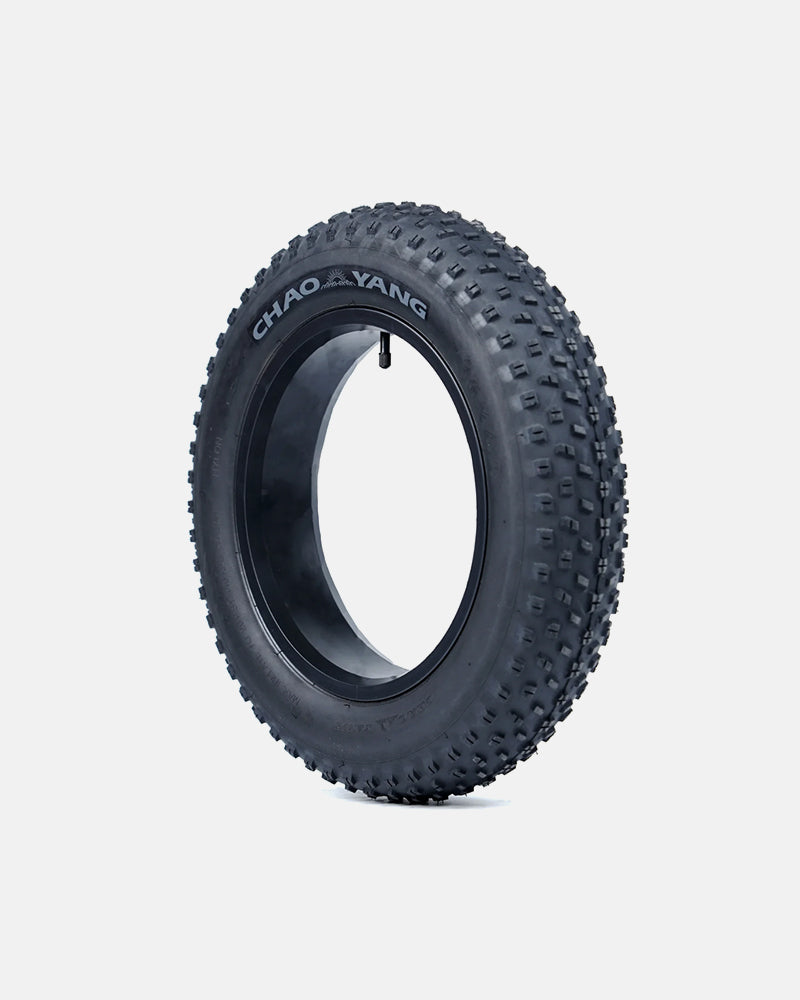
Families in Australia report that a full charge gets them from a sunrise beach crawl, through a muddy trail, and back home for a picnic without a hitch. That range feels generous because the Grom’s fat 16×4.0” tyres and hydraulic disc brakes are designed to work hand‑in‑hand with the battery, not drain it.
Battery Management System – the quiet guardian
Inside that sealed case lives a Battery Management System (BMS). Think of it as the battery’s therapist – it balances each cell, prevents over‑charging, and watches temperature so the pack stays healthy. The BMS also talks to the bike’s controller, so you never get a sudden power drop mid‑ride.
If you ever wonder why the bike won’t start after a long weekend, it’s often the BMS protecting the cells because they’ve been left in a hot car. A quick tip: keep the battery out of direct sunlight and store it in a cool, dry spot when you’re not riding.
Charging – fast enough for a night’s sleep
The Grom ships with a 48V charger that plugs into any standard Australian outlet. Expect a full charge in three to four hours, which means you can pull the battery off the bike, stick it on the kitchen counter, and have it ready by bedtime.
One thing to watch – don’t leave the charger plugged in forever. The BMS will stop charging at 100 %, but habitually over‑charging can heat the pack over time. A good rule of thumb is to unplug once the indicator turns green.
Here’s a quick checklist before you charge:
- Use pedal‑assist whenever you can – the motor only fills in the gaps, so you stretch the 13Ah further.
- Keep the speed limiter low on casual rides; the lower power draw means the pack stays cooler.
- If you’re heading up a steep hill, consider a short burst of full power, then let the bike coast. That “push‑and‑glide” technique saves a surprising amount of juice.
And remember, the battery is removable. When you’re loading the Grom into the back of a car, just pop the pack out, secure it in a padded bag, and you’ve got one less heavy component to lug around.
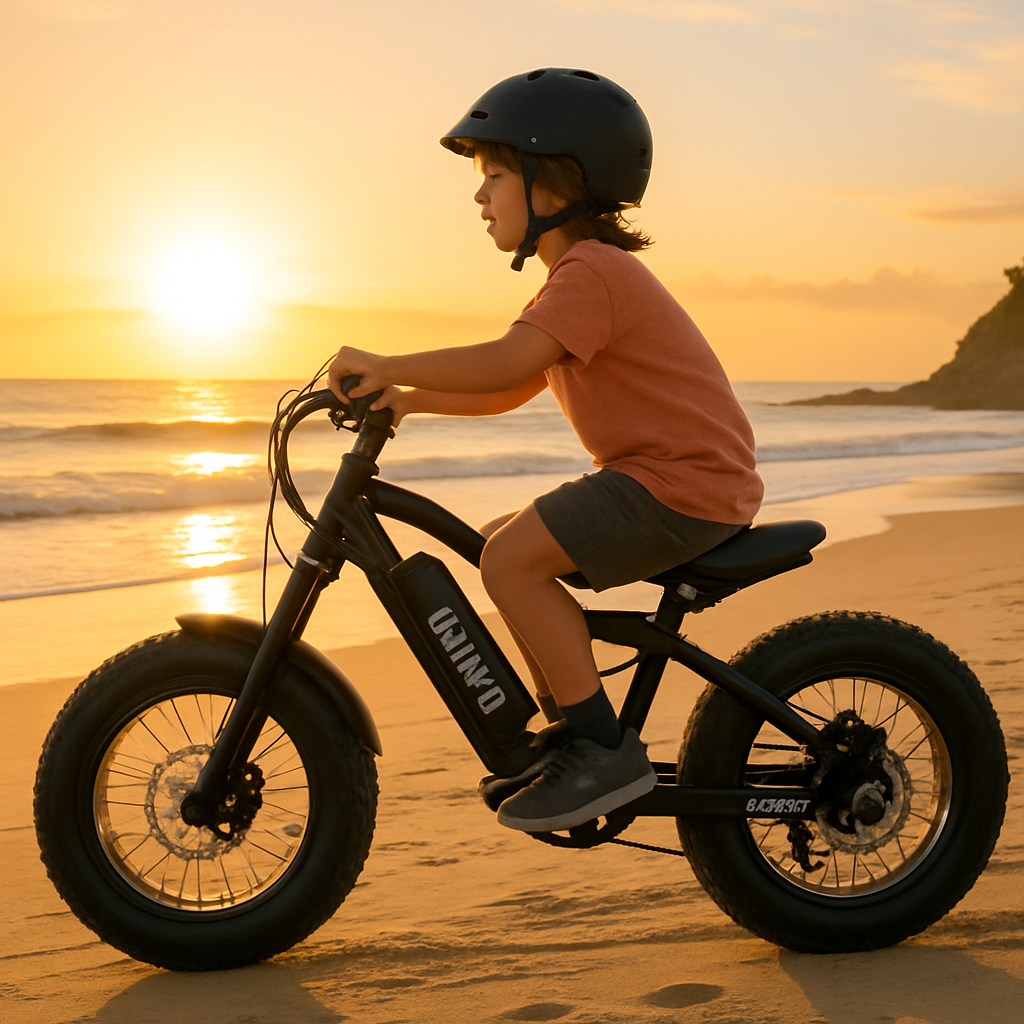
If you want a deeper dive into how this 13Ah pack stacks up against larger capacities, check out our guide on the 48V 15Ah battery – it walks through why the Grom’s size hits the sweet spot for Aussie families.
For a solid grounding on how proper charging extends cycle life, see the e‑bike battery FAQ.
Benefits of a 48V Battery for Kids E‑Bikes
When you first see a 48V pack on the Grom, the number can feel a bit tech‑y. But the real magic shows up the moment the kids hop on and the bike starts humming. That extra voltage isn’t just a marketing gimmick – it’s the difference between a short‑lived sprint and a full‑day adventure.
More juice for Aussie terrain
Because the pack sits at 48 volts, the 750W motor gets a steadier push. In practical terms that means you can zip up a sand dune at Bondi or power through a muddy bush track without the motor whining. Families in Brisbane have reported that a single charge easily covers a 30‑km beach run, a 10‑km forest loop, and still leaves enough reserve for the ride home.
That kind of range comes from the 13 Ah capacity, which stores roughly 624 Wh of energy. It’s enough to keep a 70‑kg rider cruising at the 16 km/h limit for about 35 kilometres, and a lighter 40‑kg rider can stretch close to 45 kilometres. The numbers feel reassuring when you’re planning a picnic that includes a bike‑ready scavenger hunt.
Smoother torque for younger riders
Higher voltage translates into smoother torque delivery. Kids notice the difference the moment the bike pulls away from a stop – there’s no sudden jerk, just a gentle, predictable push that matches their pedalling cadence. That makes it easier for a ten‑year‑old to stay in control on uneven ground, and it reduces the chance of wheel slip on loose sand.
In a real‑world test on the Gold Coast, a family of four took the Grom on a sunrise ride. The parents kept the limiter at 16 km/h while the kids explored a series of sand‑covered dunes. The 48V battery kept the motor responsive, so the kids could “push‑and‑glide” without the bike stalling on a steep section.
Built‑in safety features that work with the battery
The 48V pack talks to the bike’s controller and the parental speed limiter. When the limiter is set low, the BMS (Battery Management System) automatically reduces the current draw, which keeps the pack cooler and extends its life. It’s a silent partnership – you set the limit, the battery does the rest.
One tip from our in‑house tech team: if you notice the battery getting warm after a hill climb, pause for a minute and let the motor coast. That short break lets the BMS balance the cells and prevents overheating, especially on hot summer days.
Fast, convenient charging for busy families
Because the pack is 48V, the charger can deliver a steady 2‑amp charge that tops the battery in three to four hours. You can pull the removable pack off the bike, set it on the kitchen counter, and have a full charge by bedtime. No need to wait until the morning – the next day’s ride is ready as soon as the kids are.
Actionable step: plug the charger in as soon as the bike returns from a day out. The BMS will stop at 100 % automatically, but unplugging the charger once the green light flashes helps avoid the habit of leaving it plugged in for days on end.
Durability that matches Australian adventures
The sealed 48V case is IP‑rated for water resistance, so a sudden creek splash or a surprise rain shower won’t fry the cells. The robust housing also protects against the inevitable bumps when the bike is loaded into a car boot. Parents love that they can toss the battery into a padded bag and it’s ready for the next weekend’s trail.
Expert insight: keep the battery out of direct sunlight when you’re not riding. A cool, dry storage spot adds a few extra charge cycles over the life of the pack.
Practical checklist for getting the most out of a 48V battery
- Use pedal‑assist whenever you can – it stretches the 13 Ah further.
- Set the speed limiter low for casual rides; the lower draw keeps the pack cooler.
- When tackling steep climbs, give the motor a brief burst, then let the bike coast to let the BMS rebalance.
- Charge the pack immediately after a ride, and unplug once the indicator turns green.
- Store the battery in a shaded, ventilated area when not in use.
Bottom line? The 48V battery isn’t just a power source – it’s the quiet workhorse that lets kids explore longer, ride smoother, and stay safe while the whole family enjoys the great Australian outdoors.
How to Maintain and Extend the Life of Your 48V Battery
Ever notice how a fresh‑charged battery feels like a promise of endless rides, only to see that promise shrink after a few weeks? It’s frustrating, especially when you’re trying to get the most out of the Grom’s 48V pack for your kids’ weekend adventures.
Luckily, keeping that promise alive is mostly about a few simple habits. Think of it as caring for a bike helmet – you don’t need a PhD, just a bit of common sense and a regular checklist.
Store it in the sweet spot
When the bike is not in use, pop the removable pack out and tuck it somewhere cool, dry, and out of direct sunlight. A shaded garage shelf or a ventilated cupboard works wonders. Extreme heat accelerates cell wear, while a damp spot can invite corrosion.
Does it sound like a lot of effort? Not really. A 10‑minute habit of placing the battery in a consistent spot saves dozens of charge cycles over the years.
Charge smart, not fast
The Grom’s charger is already designed to stop at 100 %, but the BMS still benefits from a relaxed approach. Aim to charge when the indicator is amber rather than waiting until the pack is completely empty. Plug it in after a ride, and unplug as soon as the green light flashes.
Think about it this way: a lithium cell likes to stay between 20 % and 80 % most of the time. Keeping you and your kids from “deep‑discharging” means the battery will hold its capacity longer.
Temperature‑watch during rides
On a hot summer day, you might feel the pack warm up after a steep climb. That’s normal, but if it gets too hot you’ll notice the speed limiter kicking in or the indicator flashing red. The simple fix? Let the bike coast for a minute, or switch to pedal‑assist until the pack cools down.
And on cooler mornings? No need to pre‑heat – the BMS will handle the temperature range just fine.
Use the right power mode
Pedal‑assist is the quiet hero of battery longevity. The motor only fills in the gaps, so you stretch that 13 Ah further. For casual park rides, set the limiter low and let the assist do the work. When you need a burst for a hill, give the motor a short surge, then coast – that “push‑and‑glide” rhythm keeps the cells balanced.
Ever tried riding without assist on a flat? You’ll feel the battery drain faster and the kids will tire quicker. It’s a lose‑lose.
Regular visual checks
Take a quick look at the connector pins before you plug the charger in. Dust or moisture can cause a poor connection, which the BMS might interpret as a fault. A dry cloth wipe does the trick.
Also, inspect the sealed case for dents or cracks after a tumble in the boot. The IP rating holds up as long as the housing stays intact.
Keep the firmware updated
Bolt Bikes releases occasional BMS firmware tweaks that improve balancing algorithms. When you see a notification on the bike’s display or receive an email, follow the simple update steps – usually just swapping the pack into the charger with the bike turned on.
Skipping updates is like ignoring a tyre pressure warning; the bike still works, but you’re missing out on efficiency gains.
Make a maintenance routine
Here’s a quick weekly checklist you can stick on the fridge:
- Store the pack in a cool, ventilated spot.
- Charge only until the green light, then unplug.
- Wipe connectors dry before charging.
- Check the case for damage after each transport.
- Let the BMS cool down after long climbs.
- Confirm firmware is up to date.
Following this routine takes less than five minutes, but it adds up to a healthier battery and more reliable rides for months to come.
So, what’s the bottom line? Treat the 48V battery like a trusted sidekick – give it shade, charge it gently, let it breathe during hard climbs, and check it regularly. Your kids will enjoy longer, smoother trips, and you’ll dodge the dreaded “battery died on the way home” moment.
Safety Tips for Using a 48V Battery on Australian Trails
Picture this: you’re cruising up a sun‑baked bush track with the kids laughing behind you, and suddenly the battery case feels a little warm. That moment can feel a bit unsettling, but it’s also a perfect cue to pause and think about how to keep the 48V ebike battery safe while you’re out exploring.
Know the sweet‑spot temperature
Lithium cells love staying between roughly 15 °C and 35 °C. When the pack climbs above 40 °C, the BMS will start throttling power to protect itself. On a scorching Aussie summer day, you’ll often see that temperature rise after a steep climb or a long ride in direct sun.
What to do? Pull over, let the bike coast for a minute, or switch to pedal‑assist until the pack cools. A quick shade break under a gum tree does wonders – the battery will settle back into its comfortable range and you’ll keep the motor humming.
Mind the water, but don’t fear it
The Grom’s sealed case is IP‑rated, so a splash from a creek or an unexpected drizzle won’t fry the cells. That said, repeated exposure to standing water can sneak moisture into the connector pins if the seal gets compromised.
After any wet ride, give the connectors a gentle wipe with a dry cloth before you charge. It’s a tiny habit that prevents the BMS from misreading a fault and shutting down the bike mid‑adventure.
Secure the pack for the ride
Even though the battery is removable, you’ll want it snugly locked into its frame mount before you hit the trail. A loose pack can shift on rough terrain, stressing the internal wiring and potentially damaging the case.
Check the locking latch with a firm click – if it feels loose, give it another turn. It only takes a second, but it saves you from a busted pack that could cost a fortune to replace.
Charge with care, even at home
Plugging the charger into a standard Australian outlet is easy, but treat the charging routine like a mini‑maintenance ritual. Unplug the charger the moment the green light flashes. Leaving it on “just in case” can keep the pack at 100 % for hours, nudging the cells toward heat buildup.
If you’re charging in a hot garage, consider moving the charger to a cooler spot or opening a window. The charger itself generates a bit of warmth, and combined with a warm room it can push the pack temperature higher than ideal.
Store the battery right when it’s not in use
When the Grom is parked in the boot or tucked away for a weekend, pull the battery out and stash it in a cool, ventilated cupboard. Direct sunlight through a car window can turn the battery into an oven, shaving off charge cycles faster than you’d expect.
Even a shaded garage shelf works fine, as long as there’s airflow. Think of it like storing a spare tyre – you don’t need a climate‑controlled room, just a place that stays away from extreme heat and moisture.
Do a quick visual check before every ride
Before you swing the bike out, glance at the battery case. Look for dents, cracks, or any sign the seal might be broken. A small dent isn’t always a deal‑breaker, but a cracked housing can let water in, and the BMS will shut down the bike for safety.
Also, give the connector pins a once‑over. Dust or grit can cause a poor connection, which the BMS might interpret as an over‑current event, again cutting power when you need it most.
Keep the BMS updated
Bolt Bikes rolls out firmware tweaks that fine‑tune the BMS’s balancing algorithms. When a notification pops up on the display, swap the pack into the charger with the bike turned on and let the update run. It’s a painless step that keeps the battery smarter and safer.
In short, treating the 48V ebike battery like a trusted sidekick means watching temperature, securing it firmly, wiping off water, charging responsibly, storing cool, and doing a quick visual once‑over before each ride.
Follow these habits and you’ll keep the battery humming through countless Aussie trails, from coastal sand dunes to bushy hinterland paths – all while giving the kids the confidence to explore farther and ride safer.
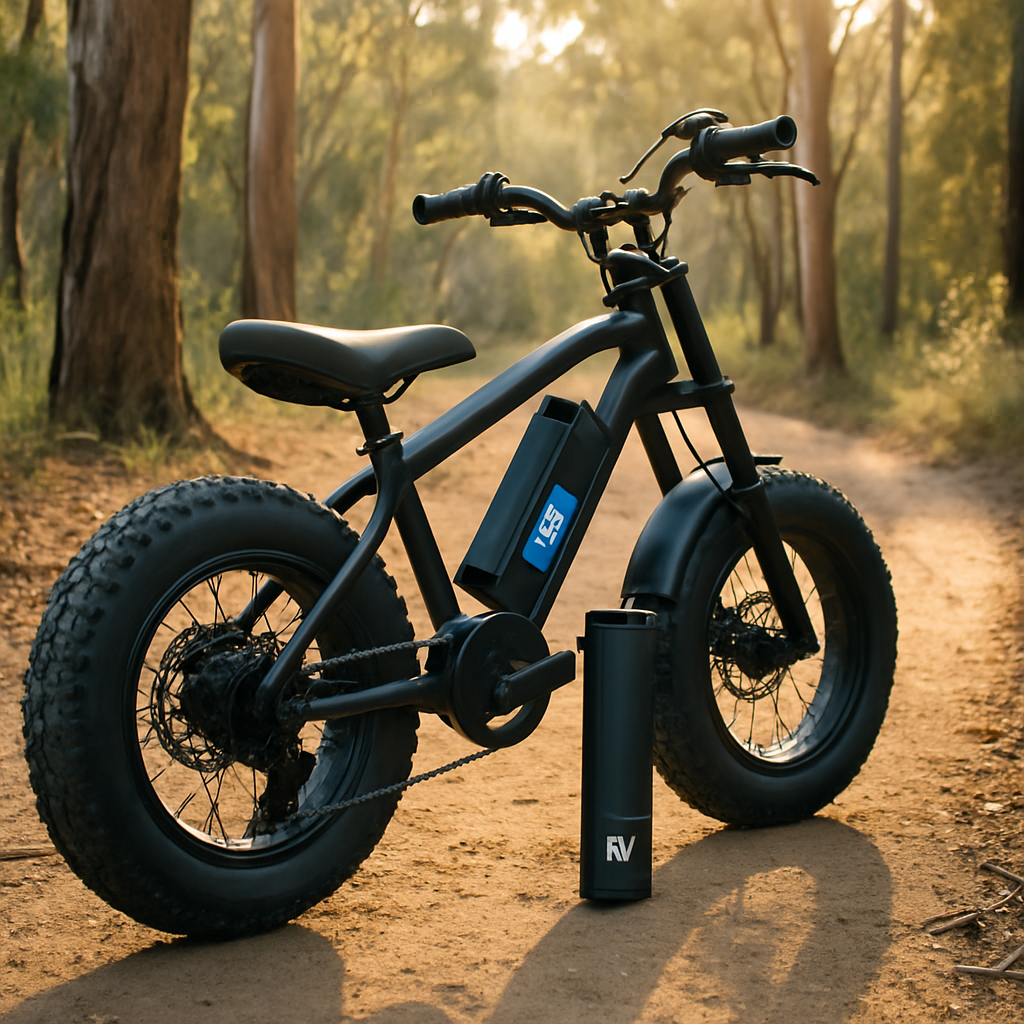
Comparing 48V Battery Options for Kids E‑Bikes
Ever stood in the garage, battery in hand, wondering if you should stick with the stock 48V 13Ah pack or chase a bigger option? You’re not alone – most parents hit that fork in the road when the kids start asking for longer rides.
Here’s the thing: the 48V platform gives you a solid foundation for torque and range, but the amp‑hour rating is what really decides how far the Grom can go before you hear that familiar “low battery” beep.
Why capacity matters for kids
Kids are unpredictable. One minute they’re cruising along the beach at a leisurely 16 km/h, the next they’re sprinting up a sand dune with the limiter cranked to 22 km/h. A higher Ah rating smooths out those peaks, keeping the motor from whining and the BMS from throttling.
But bigger isn’t always better for a young rider. More cells mean a heavier pack, and the Grom’s frame is tuned for a lightweight, removable 13Ah unit. Tossing a 20Ah brick onto the bike could shift the centre of gravity, making it feel a bit “top‑heavy” on tricky trails.
Quick comparison of the most common 48V choices
| Battery Option | Capacity (Ah) | Typical Range (km) |
|---|---|---|
| Standard 48V 13Ah (stock for The Grom) | 13 | 30‑45 |
| 48V 15Ah upgrade (often sold as a “long‑haul” kit) | 15 | 35‑50 |
| 48V 20Ah “endurance” pack | 20 | 45‑65 |
Notice how each jump in Ah adds roughly 5‑10 km of real‑world range. That’s the sweet spot you’ll feel on a sunny Saturday – you can squeeze in an extra picnic stop or a detour to the creek without worrying about a sudden shutdown.
Weight and handling
The stock 13Ah pack tips the scales at about 4.5 kg. It slides in and out of the frame with one hand, which is why Bolt designed the removable system in the first place. The 15Ah version adds roughly a kilogram, still manageable for most teens, but you’ll start to notice the extra heft when you’re lifting the bike into the back of the car.
The 20Ah beast pushes the weight past 6 kg. That’s fine for a sturdy adult bike, but on a kids’ frame it can make the front feel a touch lighter and the rear a bit more sluggish, especially on steep climbs.
Cost vs. benefit
Price scales with capacity, of course. The 13Ah pack comes bundled with The Grom, so you’re essentially getting “free” battery power. Upgrading to 15Ah usually runs an extra $200‑$300, and a 20Ah pack can climb above $500.
If you’re mostly doing weekend rides on flat beach trails, the stock pack probably won’t pinch you. If your family loves long bush‑track loops or you plan to use the bike for school commutes plus weekend adventures, the 15Ah offers a nice middle ground without breaking the bank.
Safety and BMS considerations
All three options use the same 48V Battery Management System that Bolt Bikes ships with. The BMS will protect against over‑charge, over‑discharge, and temperature spikes regardless of Ah rating. However, larger packs generate a bit more heat under hard use, so you’ll want to keep an eye on the temperature indicator during steep climbs.
One practical tip: after a long hill, pause for a minute and let the motor coast. That short breather lets the BMS rebalance the cells and keeps the pack cooler – a habit that works whether you’re on a 13Ah or a 20Ah unit.
Which one should you pick?
If you’re after a “plug‑and‑play” experience that matches the Grom’s design philosophy, stick with the stock 48V 13Ah. It’s light, affordable, and gives you enough juice for most Aussie weekend adventures.
If you crave a little extra mileage for those extended bush‑track days, the 48V 15Ah upgrade is a solid compromise – a modest weight gain for a noticeable range bump.
Only consider the 48V 20Ah if you’ve got a specific need for marathon‑length rides and you don’t mind the extra bulk. In most family scenarios, the 15Ah hits the sweet spot between performance, handling, and price.
Bottom line: think about how far you plan to ride, how often you’ll carry the bike, and how much you want to spend. The right 48V ebike battery for your kids is the one that lets them explore confidently without turning the bike into a heavyweight.
Conclusion
So there you have it – the 48v ebike battery is the quiet workhorse that lets the Grom’s kids explore Aussie trails without a hitch.
If you’ve been wondering whether to stick with the stock 13Ah pack or step up to a 15Ah upgrade, remember the sweet‑spot is about balancing range, weight and price for your family’s typical rides.
A heavier 20Ah unit will give you a few extra kilometres, but you’ll also feel the extra kilogram on those steep bush‑track climbs – something most kids notice right away.
The best part? No matter which size you choose, the built‑in BMS watches temperature, balances cells and shuts down only when it truly needs to, keeping the bike safe for ages eight to eighteen.
So, what’s the next step? Pop the battery off the Grom, store it in a cool, dry spot, and plug it into the charger as soon as the ride ends – the green light means you’re done.
When you’re ready for the next adventure, just snap the pack back on, set the speed limiter to the level that feels comfortable, and hit the trail with confidence.
Remember, the 48v ebike battery isn’t just a number on a spec sheet – it’s the reason your kids can chase the sunset on the beach and still have juice to ride home.
And if you ever feel the pack warming up on a hot day, give it a minute of coast‑down – the BMS will rebalance and you’ll be back in action without a sweat.
FAQ
What exactly is a 48v ebike battery and why does it matter for kids' e‑bikes?
A 48v ebike battery is a lithium pack that delivers 48 volts of electrical pressure to the motor. That voltage gives the 750W motor on the Grom a smooth, instant torque – perfect for little riders who need a gentle push up sand dunes or bush tracks. Because the voltage is higher than a 36v pack, the bike feels more responsive without draining the cells too fast, meaning longer rides for the whole family.
How far can my kids realistically ride on a single charge?
In real‑world Aussie conditions, most families see between 30 and 45 kilometres before the battery hits the low‑charge warning. The exact range depends on terrain, rider weight and how often the speed limiter is set low. On flat beach trails with the limiter at 16 km/h, you’ll easily hit the upper end of that range, while steep, muddy tracks will trim it a bit.
Is the 48v battery safe for hot Australian summers?
Yes – the pack is sealed and IP‑rated, and the built‑in Battery Management System (BMS) constantly monitors temperature. If the cells climb above about 40 °C, the BMS will gently throttle power to keep things cool. A quick tip: when you notice the case warming after a long climb, let the bike coast for a minute in the shade. The BMS will rebalance and you’ll be back to full power without a sweat.
Do I need to charge the battery after every ride?
You don’t have to wait for it to be empty, but plugging it in as soon as you’re done is the easiest habit. The charger stops automatically when the green light appears, so the pack sits at 100 % without over‑charging. If you consistently leave it at full charge for days on end, the cells can warm a little, so a quick unplug after the green light helps extend overall life.
Can I swap the 48v battery for a larger capacity pack?
Technically you could, but the Grom’s frame is tuned for the 13 Ah stock pack. A heavier 15 Ah or 20 Ah unit adds weight, shifts the centre of gravity and may affect handling on steep climbs. Most families find the stock battery gives the right balance of range and agility, especially when the speed limiter stays low for casual rides.
What maintenance steps keep the battery healthy?
Store the removable pack in a cool, dry spot out of direct sunlight. Wipe the connector pins dry before charging, and give the pack a visual check for dents after any rough transport. Follow the “charge‑to‑green, then unplug” rule, and let the BMS cool the cells after long hills by coasting for a minute. A quick weekly checklist of these habits adds up to many extra charge cycles.
How do I know when the battery needs replacement?
When you notice a steady drop in range – for example, you’re only getting 20 km where you used to get 35 km – that’s a sign the cells are losing capacity. Also watch for frequent BMS warnings or the charger taking significantly longer to reach green. If those symptoms appear, contact Bolt Bikes for a battery health assessment; the pack is designed for years of Aussie adventures, but every lithium cell eventually ages.