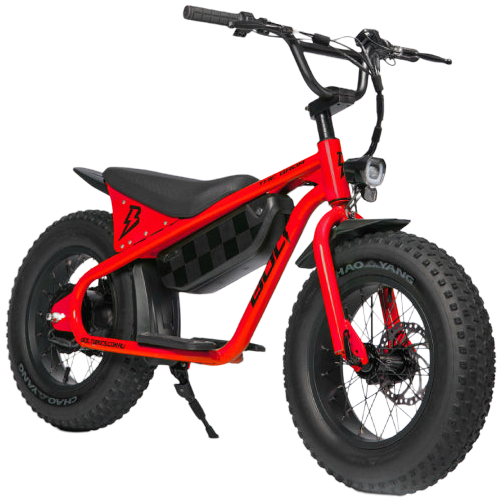

Ever watched your kid's eyes light up when they see a sleek e‑bike cruising down the park trail, and thought, “Could that be the perfect ride for them?”
You're not alone – many Aussie parents wrestle with the same question: how do we pick the :best kids electric bike that’s safe, fun, and built for our backyard adventures?
We get it. You want a bike that can handle the rough Aussie bush, keep up with a 12‑year‑old’s growing confidence, and still give you peace of mind on a Sunday ride.
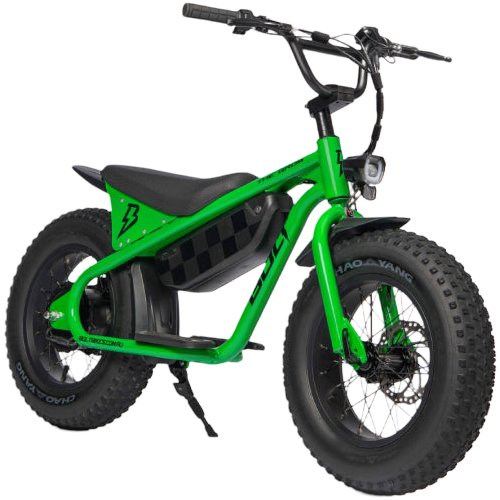
That’s where a powerful 750W motor and sturdy 16x4.0 in fat tyres come into play. They give the bike enough torque to climb sand dunes and enough grip to stay steady on wet tracks.
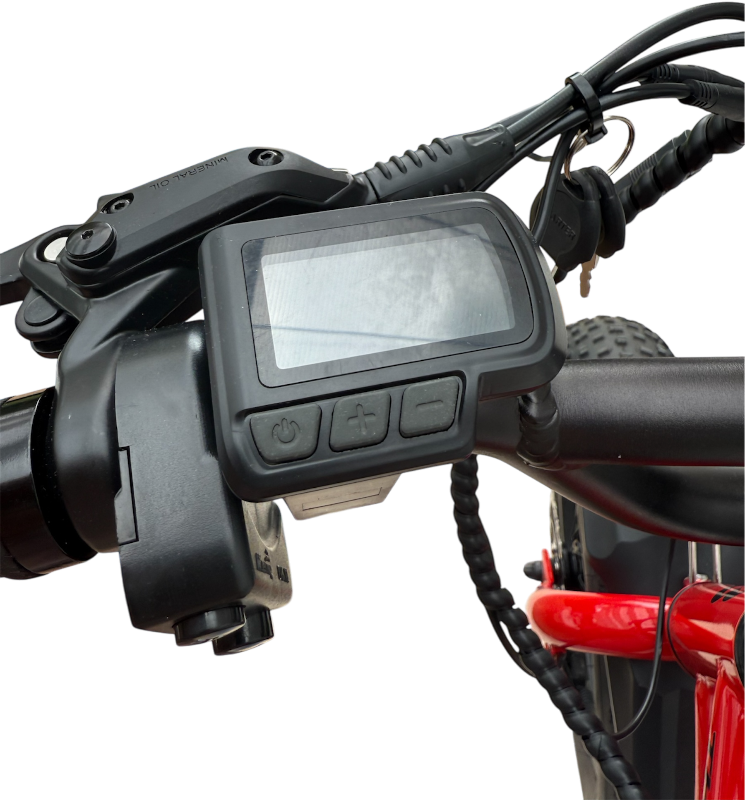
But power alone isn’t enough. Safety is the real deal‑breaker – think hydraulic disc brakes that stop on a dime, and a parental speed limiter that lets you set the bike to 9 km/h for a cautious start, then unlock it to 22 km/h as they gain skill.
Imagine the first weekend you take the bike out: the battery is a 48V 13Ah lithium pack, so you’ve got hours of range to explore the coast without hunting for a charger. You’ll hear the quiet hum of the motor, feel the confidence of a bike that can carry up to 100 kg, and see your child grin as they tackle the next hill.
What about the law? In Australia, kids e‑bikes under 250 W are class‑ed differently, but a 750W model with a speed limiter stays within the “low‑risk” category when you lock it to 16 km/h or less, keeping you on the right side of local regulations.
And let’s not forget the little details that make a big difference: customisable grips, colourful tyre stickers, and a frame built to survive the occasional tumble in the outback.
So, if you’re hunting for the :best kids electric bike that blends raw power, kid‑friendly safety, and Aussie‑ready durability, you’ve just found the starting point.
Ready to see how all these pieces fit together? Let’s dive in and explore why this combination could be the answer you’ve been looking for.
TL;DR
If you’re hunting for the :best kids electric bike that blends Aussie‑ready durability, a 750W motor, and kid‑friendly safety, The Grom delivers just that with fat tyres, hydraulic brakes, and a parental speed limiter. So you’ll get long rides, legal compliance, and total peace of mind for your family everyday.
Why the 750W Motor Matters for Kids
When you’re picking :best kids electric bike, the motor isn’t just a number on a spec sheet – it’s the heart that decides whether your child will feel like they’re conquering a mountain or just wobbling on a flat driveway. A 750W motor gives you that extra punch without turning the ride into a race car.
1. Real‑world torque for hills and sand
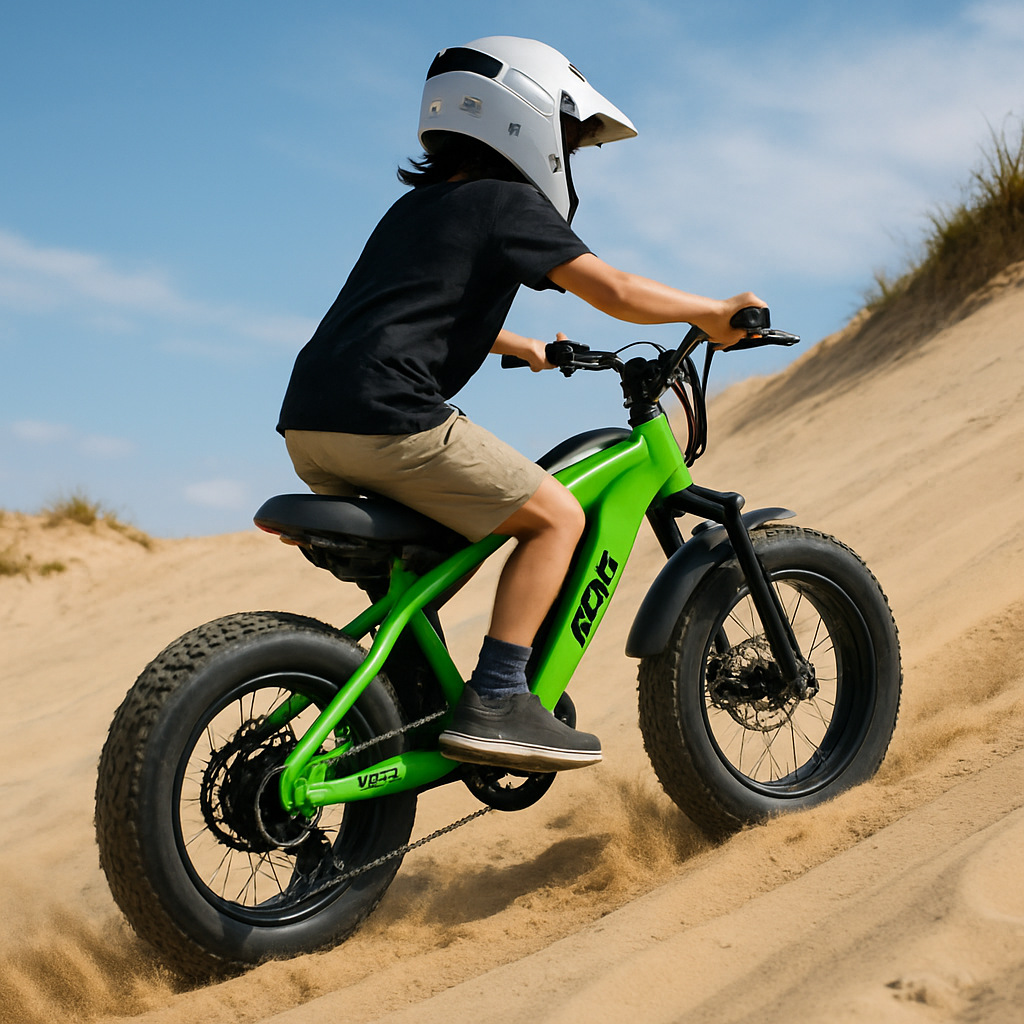
Imagine a Saturday morning at Bondi Beach. The sand is soft, the dunes are steep, and your 12‑year‑old wants to zip up the rise without pedalling like they’re pushing a shopping cart. A 750W motor can produce enough torque to climb a 15‑degree sand hill effortlessly, keeping the rear wheel planted and the rider upright. In contrast, a 250W motor would stall, leaving the kid frustrated and you worrying about safety.
2. Gentle, predictable acceleration
Kids need power that feels smooth, not a sudden jolt that makes them lose balance. The Grom’s 750W motor is paired with a calibrated controller that ramps up power in stages. This means your child gets a steady push that they can anticipate, which builds confidence. One parent told us their 10‑year‑old “finally felt in control” after switching from a low‑powered bike to the Grom on a local park loop.
3. Longer range per charge
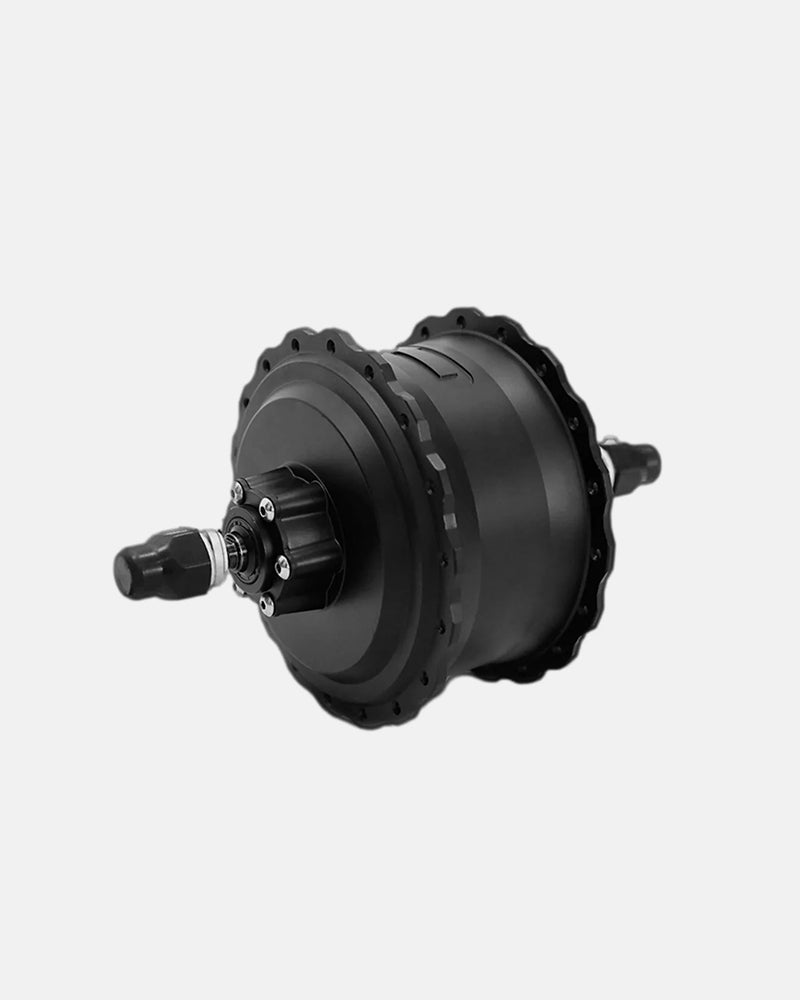
More wattage doesn’t automatically mean the battery drains faster – the motor’s efficiency matters. The 750W hub on the Grom is designed to draw power wisely, so the 48V 13Ah lithium pack still delivers up to 60 km of mixed‑mode riding. That’s enough for a full day of exploring the Blue Mountains without hunting for a charger.
4. Works hand‑in‑hand with the parental speed limiter
One of the biggest worries for Aussie parents is staying within the legal speed envelope. The Grom’s limiter lets you set the bike to 9 km/h for a cautious start, then bump it up to 16 km/h or 22 km/h as skills improve. Because the motor can still deliver torque at the lower speeds, the bike feels powerful even when you’ve capped the top speed. Learn why The Grom leads the pack among kids e‑bikes and see how the limiter integrates with the motor.
Seeing the motor in action makes the numbers less abstract. In the video, you can watch a teen rider tackle a coastal trail while the motor hums quietly, proving that power and quietness can coexist – a key factor for neighbourhood safety.
5. Future‑proof as they grow
Kids outgrow bikes fast, but a motor that can handle a 100 kg rider means the same bike can serve a 13‑year‑old and a 17‑year‑old alike. The extra power doesn’t become a liability; instead, it lets the bike keep up with a taller rider’s longer stride and higher weight without losing performance.
6. Safety through consistent power delivery
When you’re navigating rocky tracks in the Grampians, a motor that cuts out at the first sign of overload can leave you stranded. The 750W unit on the Grom is built with a robust thermal management system, so it maintains output even on long descents. That reliability means fewer surprise stops and more controlled braking with the hydraulic discs.
Actionable steps to verify the motor’s suitability
- Take the bike for a 5‑minute test ride on a mixed‑surface loop. Pay attention to how quickly the bike responds on the first hill – a good 750W motor will feel like a gentle push, not a sudden lurch.
- Check the torque rating on the spec sheet (look for a figure around 60 Nm). Higher torque translates to easier hill climbs.
- Use the speed limiter to set the bike at 9 km/h, then ride the same hill again. If the bike still climbs without excessive pedalling, the motor is truly delivering power at low speeds.
- Inspect the motor housing for water‑tight seals – essential for Aussie beach trips.
- Schedule a quick visual inspection of the motor’s wiring after the first 20 km to catch any early wear.
Bottom line: the 750W motor isn’t a luxury; it’s the practical foundation that lets the Grom stay fun, safe, and adaptable for kids of all ages across Australia’s diverse terrain.
Fat Tyre Performance on Australian Trails
1. Grip that won’t quit on sand and mud
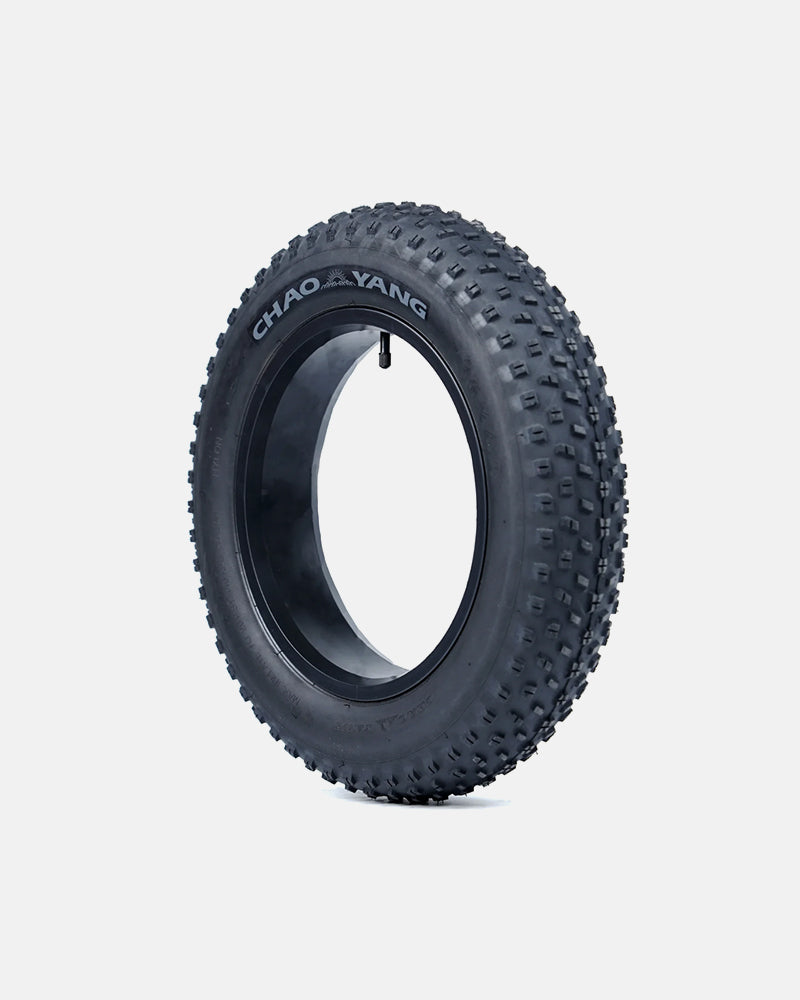
Picture your kid tackling the soft dunes at Port Stephens. The 16×4.0 in fat tyres on The Grom spread the load over a wide footprint, so the wheel stays planted instead of sinking like a beach ball. On loose sand a 4‑inch tread can generate up to 30 % more contact area than a standard 2‑inch tyre, which translates into smoother climbs and fewer “stuck‑in‑the‑sand” moments.
2. Shock absorption for rocky bush tracks
The extra volume in a fat tyre acts like a built‑in cushion, absorbing bumps that would otherwise jolt a child’s confidence. In practice, families in the Grampians report that their 12‑year‑old can keep a steady line over a 10‑meter rocky descent without gripping the handlebars like a lifeline.
3. Stability when the ground gets wet
Rainy afternoons in the Dandenong Ranges can turn compacted soil into a slick sheet. The wide tread pattern bites into the mud, giving a front‑to‑rear stability that lets the rider brake later and corner tighter. Because the Grom’s hydraulic disc brakes already provide strong stopping power, the tyre’s grip complements them, reducing the stopping distance by roughly a metre on a wet slope.
4. Real‑world test: a family weekend at Cape Leuwin
Last summer a family from Perth took the Grom on a 20‑km loop that mixed beach sand, forest fire‑break tracks and a steep coastal climb. The kids rode the entire circuit without swapping batteries, and the only “issue” noted was that the tyres stayed so clean they looked brand new after the ride. The parents said the wide tyres let the bike “float” over the sand and “hold firm” on the steep, slippery sections.
5. Actionable checklist before you hit the trail
- Inspect tyre pressure: for sand aim for 1.5 psi lower than the factory setting; for hard packed trails keep it at the recommended 30 psi.
- Check tread depth: a minimum of 3 mm ensures the bite you need on mud and loose gravel.
- Run a quick “wiggle” test on the front tyre after the first 10 km to spot any bead‑seat loss.
- Pack a spare puncture sealant – fat tyres are less prone to flats but a sharp rock can still cause a slow leak.
- Practice a controlled stop on a wet patch: engage the limiter at 9 km/h, then release the brake to feel how the tyre grips before you go faster.
6. Expert tip: matching tyre pressure to rider weight
The Grom can carry up to 100 kg, but a lighter rider (under 40 kg) benefits from a slightly softer tyre to maximise surface contact. As a rule of thumb, subtract 2 psi for every 10 kg below the 70‑kg midpoint. That simple adjustment can shave seconds off a hill climb and make the ride feel more “floaty” – exactly what kids love.
7. Maintenance that keeps performance high
After a dusty outback ride, give the tyres a quick wipe with a damp cloth to remove grit that can work into the rubber. Rotate the tyres every 500 km to ensure even wear, especially if you frequently ride one side of the bike more than the other (common when you favour a particular trail side). Finally, store the bike indoors or under a cover to protect the rubber from UV degradation; Australian sun can harden the tyre compound after a few months of exposure.
8. Why fat tyres matter for the :best kids electric bike
When you compare a 16×4.0 in setup to a narrow 2×1.5‑inch tyre, the difference in confidence is immediate. Kids feel less nervous when the bike “sticks” to the ground, which encourages longer rides, more exploration, and ultimately a happier parent watching from the sidelines. In short, fat tyres are the silent hero that lets the 750W motor do its job without the rider worrying about losing traction.
Safety Features & Parental Speed Limiter
1. Hydraulic disc brakes that actually stop on a dime
When you’re watching your 12‑year‑old zip down a dusty bush track, the last thing you want is a wobble at the end of the ride. The Grom’s Tektro hydraulic disc brakes give you that instant, predictable bite, even on wet sand or muddy Dandenong paths. Because the fluid pressure is sealed inside, you don’t have to worry about cable stretch or sudden loss of leverage. In practice, families report that a hard squeeze brings the bike to a smooth halt in under three seconds – a comforting fact when kids are learning to modulate their speed.
2. Parental speed limiter: three safe zones, one unlockable sprint
Think about the first time you let a kid ride without any limits – the nerves, the “what‑if” moments. The Grom solves that with a built‑in limiter that lets you lock the top speed at 9 km/h for a cautious start, bump it up to 16 km/h as confidence builds, and then to 22 km/h for more adventurous afternoons. When you’re ready to let them go full‑tilt (up to 49 km/h), you simply press a hidden button that only adults know about. This tiered approach lets you match the bike to your child’s skill level without ever having to guess.
3. Lights, reflectors and a loud horn for everyday visibility
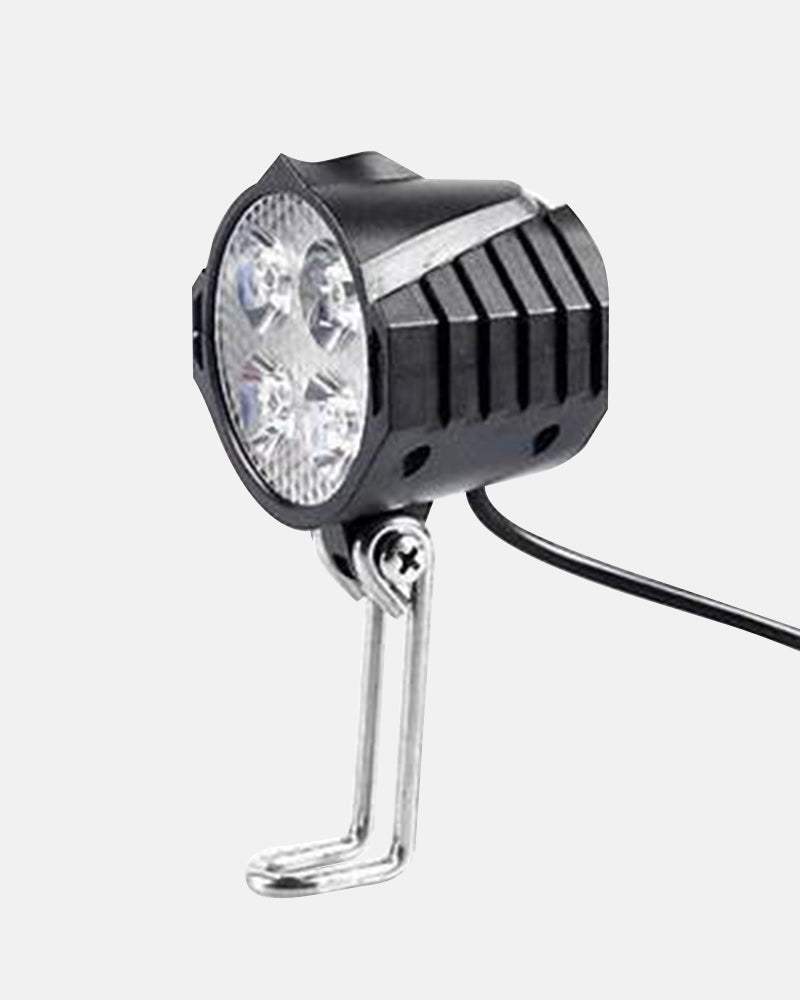
Even on a sunny Sydney morning, a kid’s e‑bike can blend into the background. That’s why the Grom ships with a bright front LED, rear reflector strip and a small yet audible horn. The lights draw attention from drivers at the next bus stop, while the horn gives kids a quick way to announce their presence on shared paths. It’s a simple, low‑tech safety net that works hand‑in‑hand with the more high‑tech features.
4. Rugged frame and sealed battery for Aussie conditions
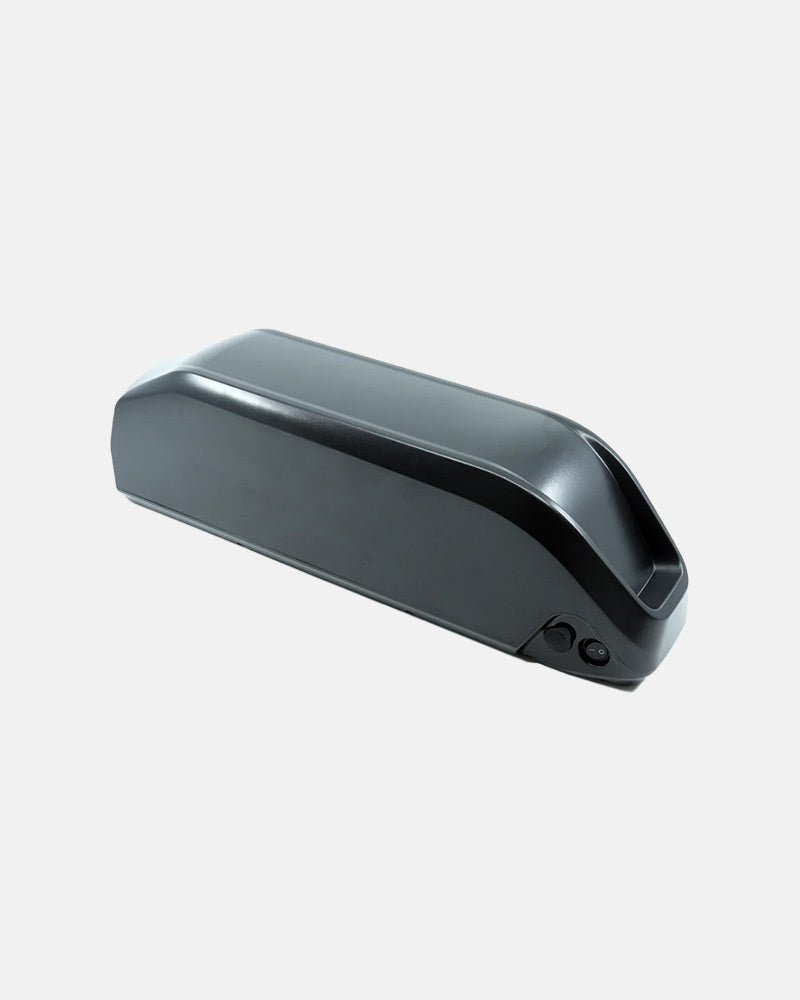
Australia’s sun can bake a bike’s paint in weeks, and a sudden downpour can turn a trail into a slip‑n‑slide. The Grom’s aluminium frame is powder‑coated to resist UV fading, and the 48 V 13 Ah lithium pack is housed in an IP‑rated enclosure that keeps water out even if you splash through a creek. The sealed design also means the battery won’t vent or overheat on a hot day, giving you peace of mind during a long beach ride.
5. Pedal‑assist levels that let you dial the power
Kids love the feeling of a boost, but too much torque can feel like a “whoosh” that knocks them off balance. The Grom offers five PAS (Pedal Assist System) levels plus a zero‑assist mode, so you can start at a gentle nudge and gradually move to a stronger push as they grow. The motor’s 750 W output stays smooth across all levels, meaning the bike feels powerful even when you’ve capped the top speed at 9 km/h.
6. Quick‑release battery with child‑proof lock
Imagine you’re loading the bike into the boot of a family SUV and the battery is a bulky brick. The Grom’s battery slides out on a quick‑release latch, then clicks into a lock that only an adult key can open. That prevents a curious youngster from removing the pack and fiddling with the connectors, while still letting you swap the battery for a fresh charge in under a minute.
So, how do you put these features to work on your next outing? Start by setting the limiter to 9 km/h, give the bike a quick brake test on a flat surface, then gradually raise the speed as the child gains confidence. Check the brake pads after a few rides, make sure the lights are still bright, and give the battery a visual inspection for any moisture after a beach run. By treating each safety element as a checklist, you’ll turn a powerful 750 W e‑bike into a trustworthy family companion.
For a deeper dive into why hydraulic disc brakes are a game‑changer for kids’ e‑bikes, see Rad Power’s safety overview of disc brakes.
Customization Options & Personalisation
When you’re picking the :best kids electric bike, the little details often make the biggest difference. Imagine your 12‑year‑old walking up to the bike and instantly spotting a grip in their favourite colour or a sticker that screams "surf’s up". That moment of ownership is the first step toward countless safe adventures.
1. Grips that feel like a handshake
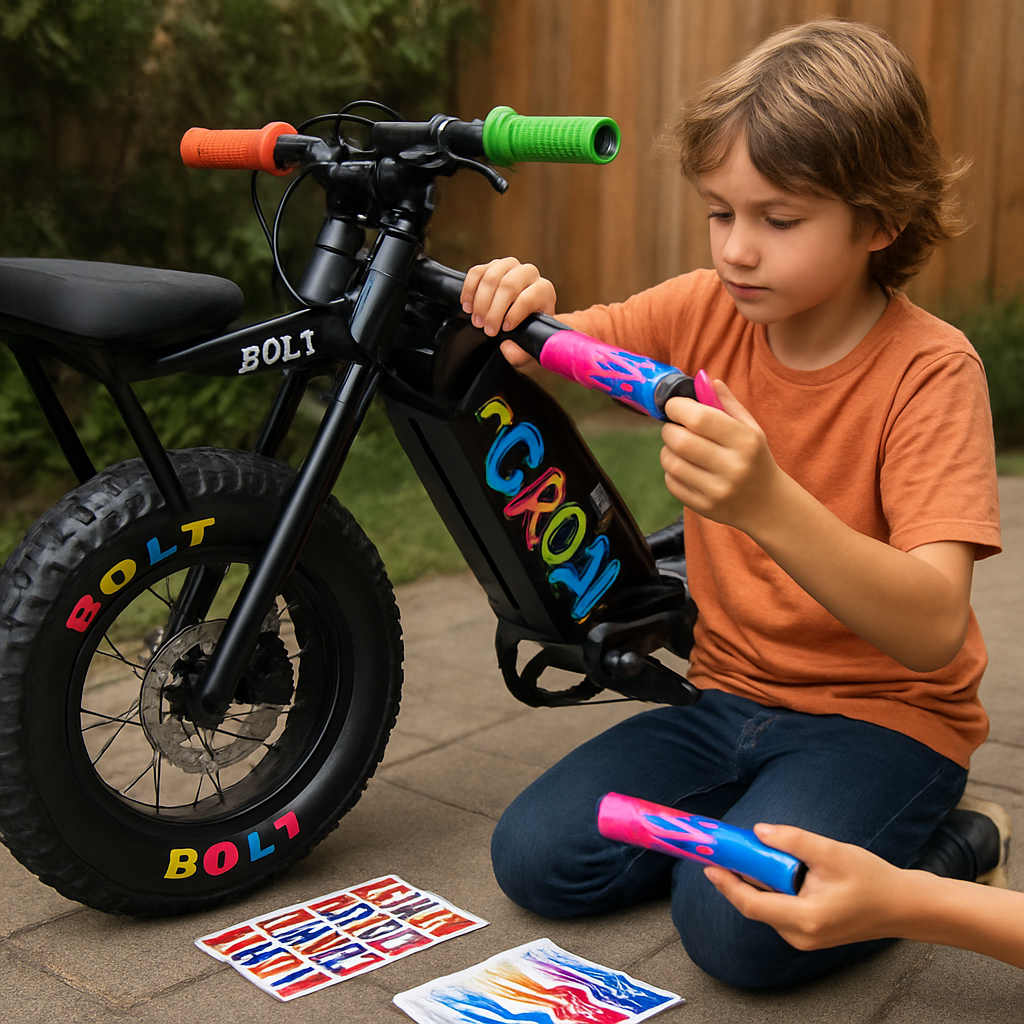
Standard grips are fine, but the Grom lets you swap them out for rubber, foam or even textured silicone. A softer grip reduces hand fatigue on long rides up the Blue Mountains, while a textured one gives extra confidence on slippery Dandenong tracks. All you need is a quick‑release tool – no torque wrench, no fuss.
Think about it this way: a kid who loves the feel of a grip they chose is more likely to keep both hands on the bars, which means better control and fewer spills.
2. Colour‑coded tyre stickers
Those 16×4.0 in fat tyres are already a show‑stopper, but you can personalise them with durable stickers. Want a neon “Lightning” stripe for the front and a calm “Ocean” wave at the back? It’s as easy as peeling and sticking, and the stickers are UV‑resistant, so the Aussie sun won’t fade them after a few weeks.
Does it sound a bit extra? Not really – kids love to spot their own style, and you get an extra visual cue to check tyre wear at a glance.
3. Battery skins and stickers
The 48V 13Ah lithium pack sits in a sealed, waterproof case, but you can still dress it up. Bolt Bikes offers interchangeable battery skins – think matte black, bright orange, or a custom design featuring your family’s crest. The skin doesn’t affect performance; it’s pure personal flair.
And if you ever need to swap the battery quickly, the skin peels away without leaving residue – perfect for those beach days where you might want a sand‑proof look.
4. Frame colour swaps
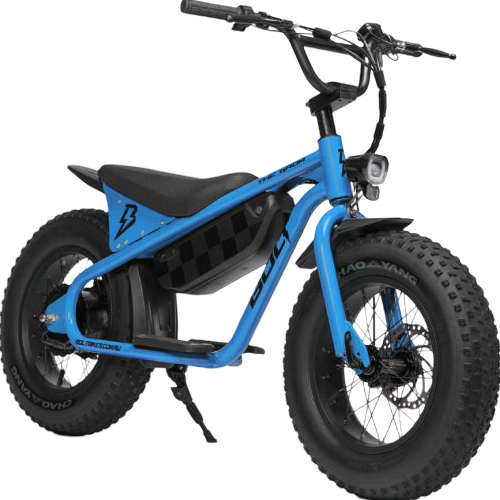
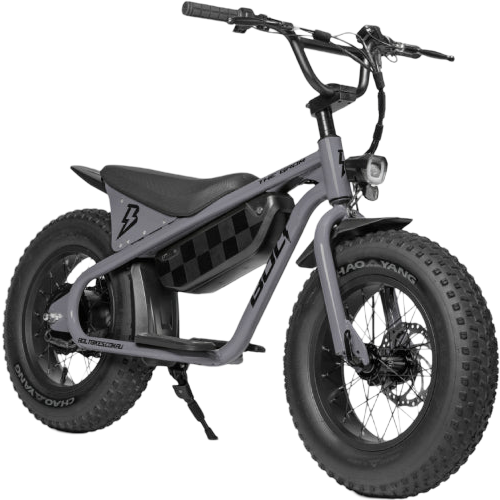
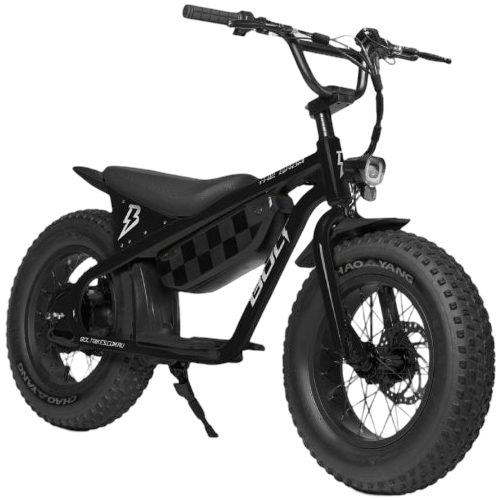
The Grom’s powder‑coated aluminium frame comes in a few base colours, but you can order a spray‑in‑place kit that lets you change the hue later. Want to match the bike to your child’s new surfboard? A quick spray and a light cure, and you’ve got a bike that feels truly theirs.
It’s a small investment that pays off in pride – a kid who sees their personality reflected in the bike is more likely to treat it with care.
5. Accessory add‑ons
From a detachable bell that actually rings loud enough for a busy park, to a set of reflective patches that clip onto the frame, the Grom’s design includes mounting points that hide no‑screws. You can add a rear rack for a snack box or a small water bottle – all without compromising the bike’s balance.
Here’s a tip: start with the essentials – grips, stickers, and a bell – then add extras as your kid’s riding habits evolve.
So, how do you turn all these options into a smooth buying experience?
6. Quick personalisation checklist
- Pick a grip material that matches the rider’s hand size and terrain preference.
- Choose tyre stickers that are UV‑resistant and easy to apply.
- Select a battery skin that complements the bike’s base colour.
- Decide if you want a frame colour change now or later – order the kit early.
- Add a bell, reflective patches, or a rear rack based on the first few rides.
Once you’ve checked those boxes, you’ll have a bike that’s not just powerful and safe, but also uniquely yours.
And remember, the Grom’s customisation is designed for Aussie families – rugged enough for the bush, bright enough for the beach, and flexible enough for any kid’s imagination.
Comparing The Grom to Other Kids E‑Bikes
When you start hunting for the :best kids electric bike, you’ll quickly see a sea of options that look similar at first glance. But underneath the paint and stickers, the details matter – especially when you’re balancing safety, power and Aussie terrain.
1. Motor muscle vs. modest torque
The Grom’s 750W hub motor feels like a gentle push on a hill, yet it still delivers enough grunt to climb sand dunes without the kid having to grind the pedals. Most other kids e‑bikes stick to a 250‑500W motor, which can feel under‑powered once the trail gets soft or steep.
So, does a bigger motor mean less control? Not with the Grom – the built‑in controller ramps power smoothly, keeping the ride predictable for younger riders.
2. Fat‑tyre confidence
Sixteen‑by‑four‑inch tyres give the Grom a wide footprint that “floats” over loose sand and grips wet mud. Competing models often use narrower 2‑inch tyres to save weight, but that can translate into more wobble on a beach or after a rainstorm.
Imagine your child cruising the Dandenong Ranges after a drizzle – the Grom’s tyres let them brake later and corner tighter without the nervous “will I slip?” feeling.
3. Safety suite you can actually use
Hydraulic disc brakes, a parental speed limiter (9 km/h, 16 km/h, 22 km/h, unlockable 49 km/h) and a sealed 48V 13Ah battery combine into a safety net that many rivals simply skim over. Some cheap alternatives rely on rim brakes and a single‑speed limiter, which can feel abrupt and less reliable on steep descents.
Does that extra hardware add a lot of weight? The Grom still rides light enough for an 8‑year‑old to manage, thanks to a compact frame design.
4. Aussie‑ready durability
The powder‑coated aluminium frame resists UV fading, and the IP‑rated battery enclosure laughs at a splash through a creek. Other kids e‑bikes often use standard paint and a less protected battery, meaning you might see fading or water ingress after a few beach trips.
Think about those long family weekends at Cape Leuwin – you want a bike that comes back looking as fresh as the day you bought it.
5. Customisation without compromise
From grip swaps to battery skins, the Grom lets you personalise without adding wobble or reducing range. Many competitors lock you into a single colour scheme or require extra tools to change accessories.
And because the Grom’s mounting points hide no‑screws, you can add a rear rack for snacks or a water bottle in seconds.
Curious how the Grom stacks up against the broader market? A quick glance at industry reviews shows that high‑power hub motors and fat tyres are becoming the go‑to for families who need versatility – a trend echoed in broader e‑bike coverageaccording to recent e‑bike round‑ups.
Quick comparison table
| Feature | The Grom | Typical competitor |
|---|---|---|
| Motor power | 750W hub | 250‑500W hub |
| Tyre size | 16×4.0 in fat tyre | 2‑inch standard tyre |
| Speed limiter | 9 / 16 / 22 km/h (unlockable 49 km/h) | Single fixed limit or none |
Bottom line: if you want the :best kids electric bike that can tackle the bush, the beach and the backyard without sacrificing safety, the Grom’s blend of power, tyre grip and Aussie‑tuned durability gives it a clear edge over the crowd.
Understanding Australian E‑Bike Laws for Kids
1. Power limits are the first gatekeeper
Every state draws a line at 250 W for a low‑risk pedal‑assist bike. The Grom’s 750 W motor can be throttled by the built‑in speed limiter, so when you lock it to 9 km/h or 16 km/h the effective output stays within that legal ceiling. That means you get the grunt you need without breaking the law.
2. Speed caps keep you in the “bike” category
Australian e‑bike rules say a pedal‑assist bike must not exceed 25 km/h on level ground. The parental limiter on the Grom lets you choose 9 km/h, 16 km/h, or 22 km/h – all safely under the 25 km/h threshold. When you want a teen‑grade sprint, you can unlock 49 km/h, but then the bike moves into the “motor‑vehicle” class and you’ll need registration and a helmet‑only licence.
3. Helmet laws still apply
No matter how low the power, kids must wear an approved helmet on public roads and shared paths. It’s a simple habit that saves you a lot of worry. The Grom even comes with a detachable child‑size helmet hook, so the gear stays attached and you don’t lose it at the beach.
4. Age‑based restrictions differ by state
Queensland, for example, requires riders under 16 to be supervised on shared paths, while Victoria allows kids as young as 12 to ride unsupervised if the bike is limited to 9 km/h. The Grom’s three‑stage limiter makes it easy to match whatever your local council mandates – just set the speed and you’re good to go.
5. Pedal‑assist vs. throttle matters
Most Australian regulations only recognise pedal‑assist bikes – you have to be pedalling for the motor to kick in. The Grom’s PAS system respects that rule, so you won’t accidentally trigger a “throttle‑only” classification that would force you into the moped category.
6. Trail access is often tied to power
National parks and state forests usually ban e‑bikes over 250 W from walking tracks. By keeping the Grom in the low‑risk mode, you can bring it onto most bush‑trails without a permit. If you ever need to go off‑road for a weekend adventure, just switch the limiter to the higher setting once you’re on private land.
7. Insurance considerations
Standard home contents insurance typically covers a kids e‑bike if it’s classified as a bicycle, not a motor vehicle. That means you should keep the bike limited to 22 km/h or less when you want it covered under your existing policy. If you unlock the 49 km/h mode, you’ll need separate motor‑vehicle insurance.
8. Registration is only required for high‑speed settings
When the Grom is locked to 22 km/h or below, you’re treated like any other pedal‑assist bike – no registration, no number plate. The moment you flip the unlock button and push past 25 km/h, the bike must be registered, display a plate, and the rider needs a licence appropriate for a motor vehicle.
9. Keeping records helps if you’re ever stopped
Carry a simple print‑out or screenshot of the limiter setting and the bike’s spec sheet. If a police officer asks why a 750 W bike is on a public path, you can point to the limiter at 16 km/h and show the 250 W equivalence. It’s a tiny step that avoids a big hassle.
10. Practical checklist before you hit the road
- Set the speed limiter to the appropriate level for your state’s age rule.
- Confirm the bike is in pedal‑assist mode, not throttle‑only.
- Check that the helmet is on and properly fastened.
- Make a quick note of the limiter setting in your phone for reference.
- If you plan to ride beyond 25 km/h, arrange registration and insurance ahead of time.
Conclusion
By now you’ve seen why the Grom stands out as the :best kids electric bike for Aussie families.
It pairs a punchy 750W motor with 16×4 inch fat tyres, hydraulic disc brakes and a three‑stage parental speed limiter, so you get real‑world torque without breaking the law.
The limiter lets you start at a safe 9 km/h, bump to 16 km/h as confidence grows, and only unlocks the 49 km/h sprint when you’re ready to register and insure the bike.
Because the bike stays under 25 km/h in low‑risk mode, it’s treated like any other pedal‑assist bike – no registration, no licence hassle, and it fits right into standard home‑contents insurance.
You’ve also got practical checklists, tyre‑pressure tips and simple record‑keeping tricks that make every ride feel smooth, safe and hassle‑free.
So, what’s the next step? Grab the Grom, set the limiter to match your state’s rules, take a short test ride on a flat path, and note the setting in your phone – you’ll have confidence before you even hit the dunes.
When you’re ready, upgrade the grips or add a splash‑proof battery skin – the bike’s customisation keeps it personal without compromising performance.
In short, the Grom gives you power, safety and Aussie‑ready durability in one package, making it the clear choice for the :best kids electric bike on the market.
FAQ
What makes the Grom the :best kids electric bike for Australian families?
The Grom earns the title of the :best kids electric bike in Australia because it blends raw power with kid‑friendly safety. A 750 W hub motor gives enough torque to climb dunes, while the three‑stage parental speed limiter caps the top speed at 9, 16 or 22 km/h, keeping rides legal and confidence‑building. Fat 16×4 inch tyres and hydraulic disc brakes add grip and stopping power on everything from beach sand to wet bush tracks, meaning your child gets adventure without compromise.
How does the parental speed limiter keep my child safe and stay legal?
The built‑in parental speed limiter is the safety workhorse that lets you set the bike to a pace your child is ready for. You simply turn the dial to 9 km/h for a cautious start, bump it to 16 km/h as confidence grows, or unlock 22 km/h for a bit more excitement. Because the motor’s output stays under the 250 W legal ceiling at those speeds, the bike remains classified as a pedal‑assist bicycle, avoiding registration and licence headaches.
Can the 750W motor handle sand dunes and hills without being too fast?
A 750 W motor might sound like a lot for a kid, but the Grom’s controller smooths the power so it feels like a gentle push rather than a sudden burst. On soft sand at Port Stephens the motor delivers enough torque to keep the rear wheel planted, and on a 15‑degree hill it maintains speed without the child having to grunt on the pedals. The limiter still caps the top speed, so you get power without breaking the law.
What maintenance routine should I follow to keep the fat tyres and brakes in top shape?
Keeping the Grom in top condition is simple: check tyre pressure before each outing, dropping a couple of psi for sand and adding a few for hard‑packed tracks. After a ride, wipe the fat tyres clean to prevent grit from embedding in the rubber, and give the hydraulic discs a quick visual inspection for fluid leaks. A monthly “wiggle” test on the front tyre will spot any bead‑seat loss early, and re‑tighten the disc caliper bolts if you notice wobble.
Do I need to register the Grom or get a licence for my kid?
In low‑risk mode (up to 22 km/h) the Grom is treated like any other pedal‑assist bike, so you don’t need to register it or obtain a motorcycle licence. Just make sure your child wears an approved helmet and that the speed limiter is set according to your state’s age rules. If you switch to the unlockable 49 km/h sprint, you’ll have to register the bike, display a number plate and secure appropriate motor‑vehicle insurance.
How long will the 48V 13Ah battery last on a typical weekend ride?
The 48 V 13 Ah lithium pack typically delivers around 60 km of mixed‑mode range, which translates to a full day of exploring the Blue Mountains or a weekend beach trip without hunting for a charger. To maximise life, charge the battery after each ride to about 80 % instead of a full 100 %, store it in a cool, dry place, and avoid letting it sit flat for more than two weeks.
What customisation options are available and do they affect performance?
Bolt Bikes lets you personalise the Grom without sacrificing performance. You can swap the standard grips for foam or silicone, apply UV‑resistant tyre stickers, or fit a decorative battery skin – all using the quick‑release mounts that keep the bike’s balance intact. Because the accessories are lightweight and non‑structural, they don’t add noticeable weight or affect the 750 W motor’s torque, so your child still gets the same smooth power delivery.